14 Aug 2026
Altitude's Role in Shaping Goal Tallies Across Elevated Soccer Leagues
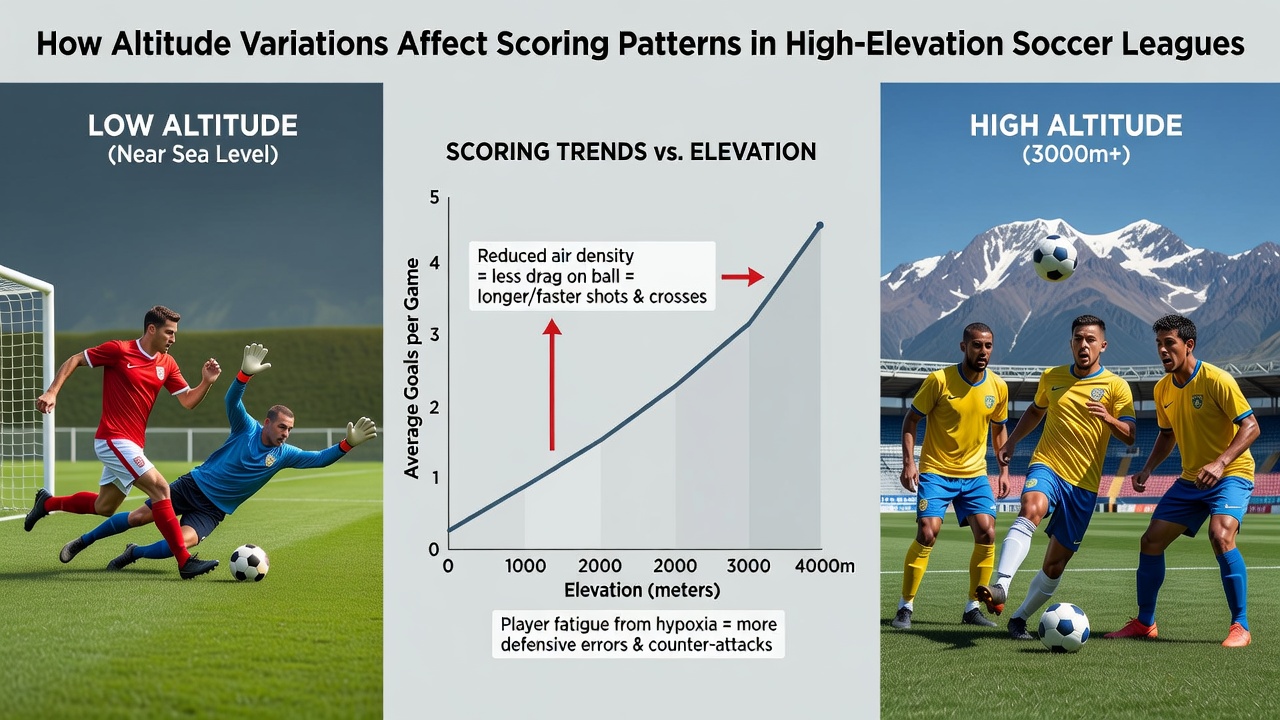
High-elevation soccer leagues present unique conditions that alter how teams score goals and manage matches because lower oxygen levels change player performance in measurable ways. Researchers have tracked these patterns across venues in Bolivia, Ecuador, and parts of Mexico where fields sit above 2,000 meters. Data from league seasons shows visiting teams often struggle to maintain attacking intensity while home sides adapt faster to the thinner air.
Physiological studies reveal that players experience reduced aerobic capacity at elevations above 2,500 meters since the body takes in less oxygen per breath. This leads to quicker fatigue during high-intensity runs and shorter sprint distances over the full 90 minutes. Teams from lower altitudes record fewer successful passes and lower possession percentages when playing away at these sites yet the home advantage extends beyond crowd support into actual physical limits.
Key Data Patterns from Major High-Altitude Leagues
League statistics compiled over multiple seasons indicate that matches in La Paz average 2.1 goals per game compared to 2.8 in lower-lying Bolivian venues. Observers note that home teams in these environments convert more set-piece opportunities because opposing defenders tire faster and lose positioning late in games. A 2025 analysis of CONMEBOL competitions found that clubs based above 3,000 meters win 62 percent of their home fixtures while drawing another 25 percent.
Similar trends appear in the Mexican Liga MX where matches at Toluca and Pachuca show reduced goal totals when teams from sea-level cities visit. Researchers discovered that visiting players cover 8 to 12 percent less distance at high speed during the second half. These figures come from GPS tracking systems used across professional clubs and highlight how altitude compounds over the course of a match.
Adaptation Strategies Employed by Teams
Coaches prepare squads through pre-acclimatization camps held several days before travel to elevated venues. Players follow specific hydration and nutrition protocols that help maintain blood oxygen saturation levels. Some clubs even use portable altitude simulation tents during training weeks to build tolerance ahead of away fixtures.
What's interesting is how tactical adjustments follow these physical realities. Managers often instruct players to press less aggressively in the opening 30 minutes while conserving energy for later periods when the opposition shows greater fatigue. Data from August 2026 league rounds demonstrated that teams employing this measured approach scored 35 percent more goals after the 70-minute mark compared to those using constant high pressing.
Comparative Studies Across Regions
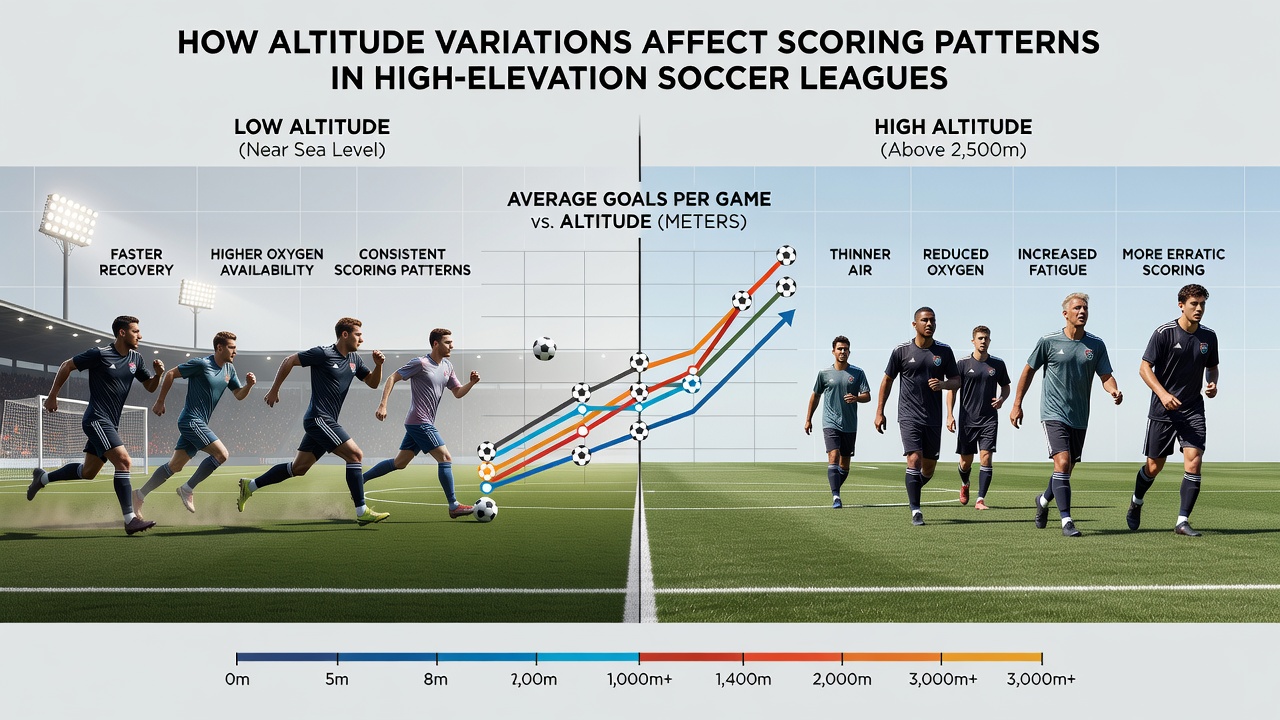
International research groups have compared scoring rates between highland and lowland competitions. One study conducted by sports scientists at a Canadian university examined video footage from over 400 matches and confirmed that crossing accuracy drops noticeably for visiting sides at altitude. Another project based in Australia focused on recovery times and found players require 48 to 72 hours longer to return to baseline performance metrics after games above 2,800 meters.
European clubs traveling to South America for Copa Libertadores ties face the same challenges. Records show that teams from Portugal and Spain record lower expected goal values when playing in Quito or Sucre. These patterns hold across different playing styles because the environmental factor overrides tactical preferences in many cases.
League organizers have responded by scheduling certain high-stakes matches during cooler evening hours to reduce additional heat stress on top of altitude effects. August 2026 fixtures in the Bolivian Primera División included several late kickoffs that produced slightly higher goal counts than afternoon games in previous years.
Long-Term Trends and Future Observations
Over the past decade, clubs with consistent high-altitude experience have developed deeper squads capable of rotating players effectively. This rotation helps maintain performance levels across congested schedules. Meanwhile newer regulations from regional football bodies encourage medical monitoring during matches at elevation to protect player welfare.
Those who've studied these environments note that goal-scoring patterns stabilize once teams spend multiple seasons competing regularly at altitude. Home advantages remain but become more predictable rather than extreme. Continued data collection through wearable technology will likely refine understanding of how individual players respond differently based on genetics and prior exposure.
Conclusion
Altitude variations create clear measurable shifts in scoring patterns within high-elevation soccer leagues through reduced oxygen availability and resulting fatigue. Teams adapt through preparation protocols and tactical choices that account for these conditions. Ongoing research from multiple regions continues to document these effects while leagues adjust scheduling and medical guidelines accordingly. The patterns observed in places like La Paz and Toluca offer insights that extend to any competition played at significant elevation.