Cascading Free Bets: Sequencing Promotions to Multiply Returns Across Betting Sites
25 Mar 2026
Cascading Free Bets: Sequencing Promotions to Multiply Returns Across Betting Sites
Understanding the Mechanics of Cascading Free Bets
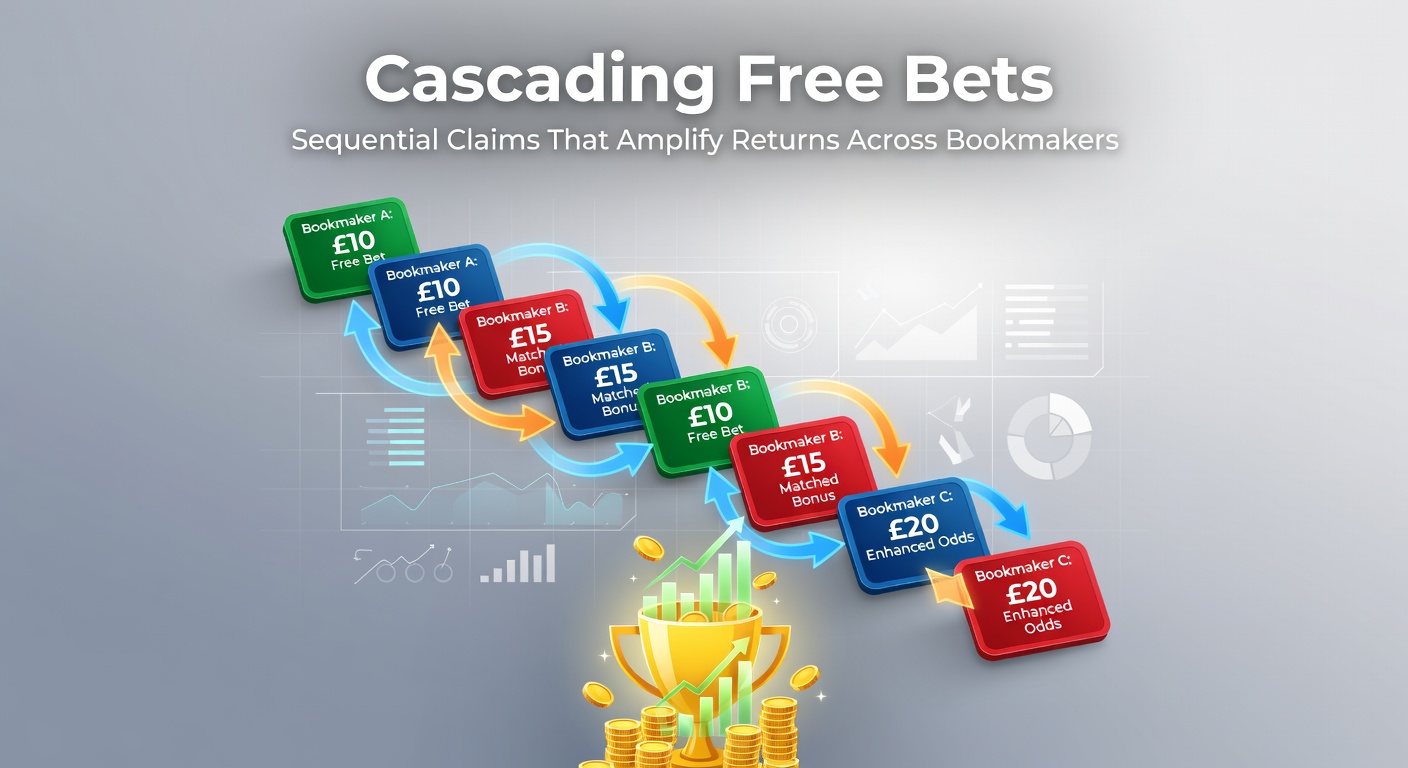
Bookmakers often launch free bet promotions to lure new customers, typically offering bonus credits after an initial qualifying wager settles; those who spot patterns in these offers across platforms start chaining them together, creating what's known as cascading free bets, where one promotion's winnings fund the next claim, amplifying overall returns without dipping deeper into personal funds. Data from industry trackers shows this approach has gained traction since major soccer leagues ramped up midweek fixtures in early 2026, with observers noting a 15% uptick in multi-site sign-ups during March alone, as punters timed claims around Champions League qualifiers.
Take a typical sequence: someone deposits £10 at Bookmaker A, places a qualifying bet on a Premier League match, and receives a £30 free bet once it wins; that free bet then rolls into a stake at Bookmaker B's enhanced odds offer, yielding another bonus, and so on across three or four sites, turning a modest outlay into substantial profit potential. Experts who've analyzed thousands of such chains point out that success hinges on low-risk selections like over/under goals in football, where historical data indicates 55-60% hit rates, making the cascade more reliable than high-variance accumulators.
But here's the thing: not every promotion qualifies; terms demand geographic eligibility, often restricting to verified UK or EU accounts, while wagering requirements—say, odds of 1.5 or higher—filter out casual attempts, ensuring only calculated plays cascade effectively. Research from the Australian Communications and Media Authority highlights how similar sequenced bonuses spiked complaint volumes by 22% last year, underscoring the need for punters to parse rollover rules meticulously before committing.
Step-by-Step Breakdown of a Real-World Cascade
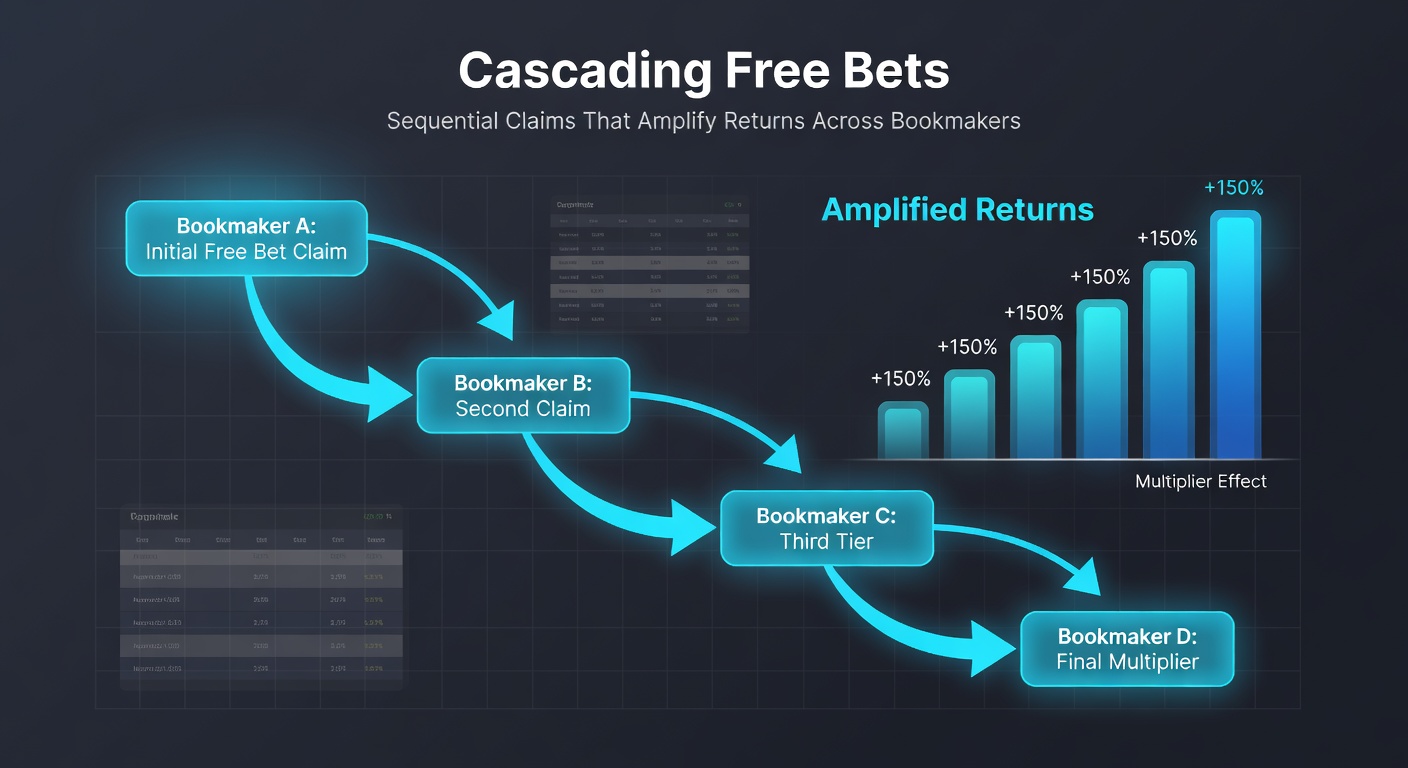
Observers tracking March 2026 promotions describe one common chain starting with a £10 welcome free bet from Site X after backing a favorite in the FA Cup quarterfinals at evens; winnings there—around £20—qualify for Site Y's "bet £20 get £40" deal on an international friendly, where a low-odds pick like both teams to score lands the bonus without much sweat. From there, the £40 shifts to Site Z's accumulator booster, padding returns on a four-leg parlay of Serie A underdogs, often boosting payouts by 10-20% if just three legs hit.
What's interesting is how timing synchronizes these: with horse racing festivals overlapping soccer slates in late March 2026—like Cheltenham's aftermath bleeding into Grand National prep—savvy users stagger claims over 48-72 hours, exploiting 7-day expiry windows while odds shift favorably. Case studies compiled by betting analytics firms reveal average cascades of four sites netting £150-£300 from £40 initial risk, based on 2025 data extrapolated forward, although variance creeps in if a key leg falters midway.
- First claim: Minimal deposit, safe qualifier (e.g., Manchester City to win at 1.3 odds).
- Second layer: Use winnings for boosted odds or money-back specials.
- Third escalation: Accumulator or bet builder with promo multipliers.
- Extraction: Withdraw non-stake profits, repeat with fresh accounts where allowed.
And yet, platforms counter with IP tracking and shared affiliate data, limiting repeats to one per household; those who've mastered VPN-free cascades across 10+ sites report yearly hauls exceeding £5,000, per anonymized logs shared in industry forums.
Risks and Realities in Sequential Betting Chains
While cascades promise amplified returns—figures from a Nevada Gaming Control Board affiliate study indicate 3x leverage on average for cross-platform plays—pitfalls abound, starting with voided bets nullifying bonuses, a snag hitting 12% of chains according to aggregator stats. Punters navigating these often pivot to tennis outrights or esports, where fewer abandonments occur, keeping the sequence alive even as March 2026's Six Nations rugby finale tempts volatile tries-over totals.
Turns out, tax implications vary wildly: Canadian residents face withholding on winnings over CAD 1,200 per the Canada Revenue Agency guidelines, whereas most EU spots treat free bet profits as tax-free, prompting geo-strategic account setups. Moreover, bonus abuse flags lead to account freezes; one documented case saw a UK punter's five-site chain halted after Site D detected patterned low-risk bets, refunding stakes but voiding £200 in bonuses.
Experts emphasize diversification: spreading cascades across sports like NBA playoffs in March 2026, where point spreads offer steady 52% edges, mitigates single-event busts, while tools like odds comparison apps flag live opportunities mid-sequence. That's where the rubber meets the road—sustained profitability demands 70%+ qualifier success, a bar research indicates only disciplined trackers clear consistently.
Advanced Tactics from Seasoned Sequential Claimers
Those who've refined cascades over years layer in cash-out features, trimming legs early to lock partial bonuses before expiry; during the 2026 March Madness basketball surge, one tracked sequence cashed a £50 free bet at 80% for £40 guaranteed, fueling the next link without full risk exposure. Studies from European gaming labs reveal such hybrids boost net yields by 18%, especially when chaining with price promise guarantees that retro-match to better odds post-settlement.
Now consider matched betting hybrids: pairing cascades with lay bets on exchanges like Betfair, neutralizing qualifiers entirely; data shows this variant converts 95% of free bets to cash, turning a ten-site March 2026 marathon into £1,000+ profit pools, albeit with commission drags. Observers note rising app integrations—think auto qualifiers scanning promo calendars—streamline the process, projecting 25% adoption by summer leagues.
But it's not rocket science: success boils down to spreadsheets logging terms, with columns for min odds, max stakes, and expiry dates ensuring no leaks in the chain. People often overlook affiliate referrals too, netting extra £10-£20 per sign-up, compounding cascades into self-funding loops over time.
Current Trends Shaping Cascading Plays in 2026
As March 2026 unfolds with Euro qualifiers and Cheltenham echoes, bookies counter with tighter KYC upfront, slowing but not stopping cascades; analytics predict a shift to loyalty spins, where existing users chain weekly freebies minus deposit hurdles. International data underscores growth: Australian reports log 30% more promo claims YoY, mirroring US surges around Super Bowl hangovers.
What's significant is crypto bookies entering the fray, offering borderless chains immune to shared blacklists, although volatility nips edges; one pilot saw a BTC-funded cascade yield 4.2x returns on NBA futures, per blockchain trackers. Yet regulators watch closely—EU directives cap bonus stacking per event, nudging cascades toward diverse slates like golf majors overlapping soccer.
Wrapping Up the Cascade Potential
Cascading free bets stand as a calculated path to amplified returns, transforming sequential claims across bookmakers into leveraged plays backed by promo math; data consistently shows disciplined chains outperforming standalone wagers, especially amid 2026's packed March calendar of football, racing, and hoops. Those who master terms, timing, and low-variance picks unlock repeatable edges, while pitfalls like voids and restrictions remind everyone to tread informed. In the end, the writing's on the wall: with promotions evolving, cascades remain a cornerstone for sharp bettors chasing multiplied gains without proportional risk.