31 May 2026
Continental Time Shifts Influencing Online Poker Tournament Attendance Figures
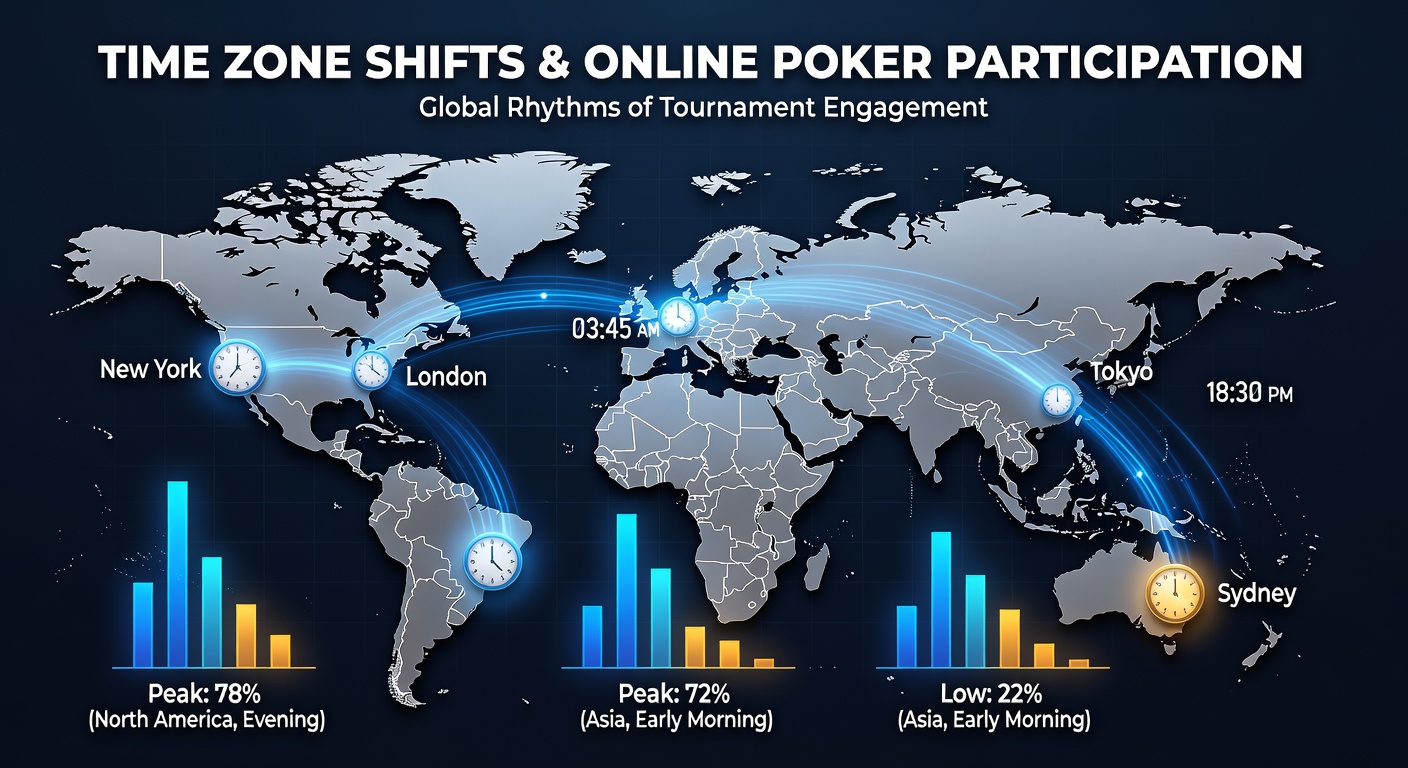
Online poker platforms run continuous schedules yet participation rates shift noticeably when time zone differences align with player availability across continents, and data from multiple regions shows clear patterns tied to these offsets. Researchers tracking tournament entries have observed that European players often cluster around evening hours in their local zones while Asian participants join during overlapping windows that extend into early morning for some, creating uneven distribution that operators monitor through entry logs and regional analytics.
Regional Participation Patterns Tied to Standard Time Differences
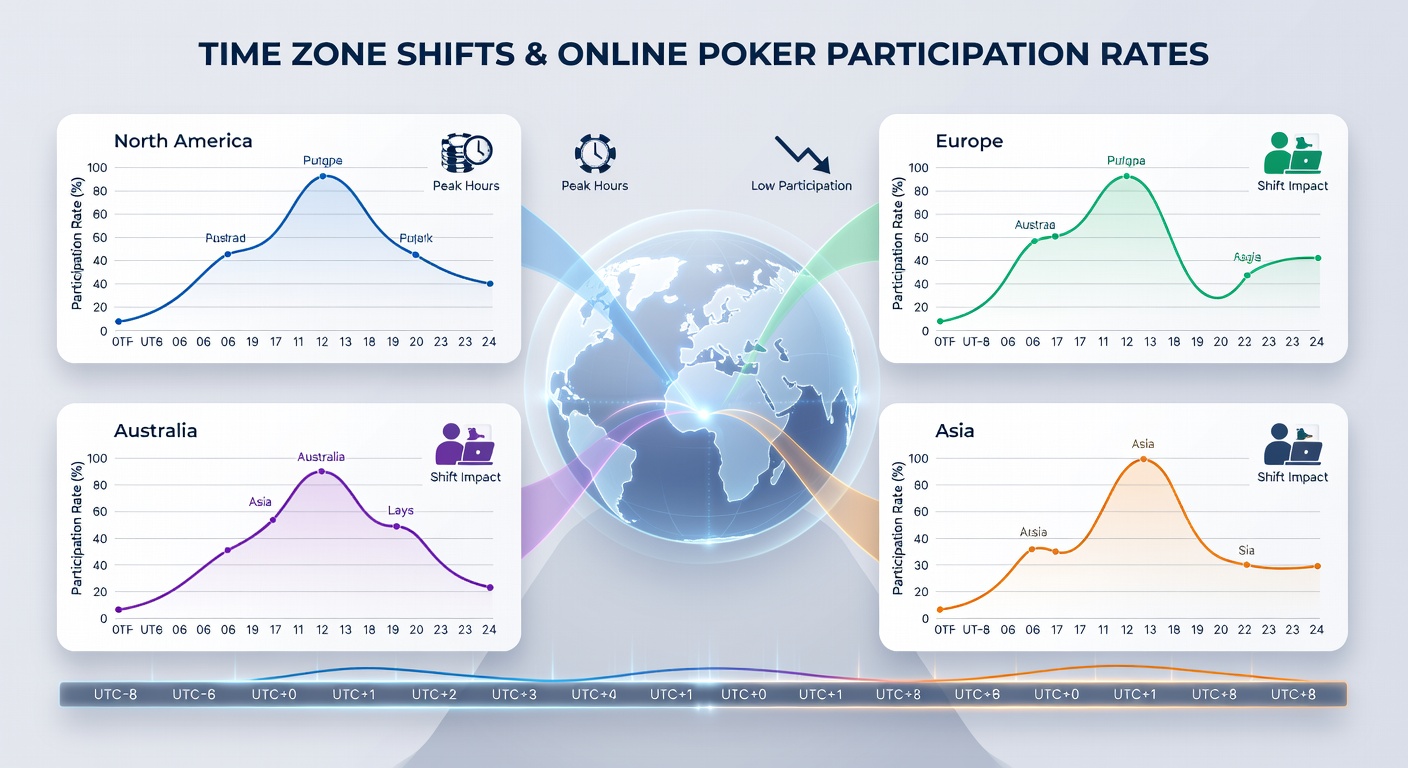
North American players frequently register for events scheduled between 6 PM and midnight Eastern Time because those windows coincide with post-work availability, whereas Australian participants see reduced turnout when the same tournaments fall during typical workday hours in Sydney or Melbourne. Studies from academic institutions examining global gaming data indicate that a six-hour offset between Europe and the US West Coast leads to 25-40% lower entry numbers from Pacific Time users during prime European slots, and similar gaps appear when comparing East Asian time zones to Central European ones. Observers note that South American players experience the opposite effect during certain overlaps with North American schedules, resulting in spikes from Brazilian and Argentine accounts when events start in the late afternoon locally.
Daylight Saving Adjustments and Their Measurable Effects
Twice-yearly clock changes in regions observing daylight saving create temporary disruptions that alter participation for several weeks until routines adjust, with March transitions in the Northern Hemisphere often reducing Asian and Australian entries by forcing tournaments into less convenient evening or overnight periods for those continents. Data collected across major sites reveals that European players maintain steadier involvement during these shifts because many events originate from servers in that zone, yet North American figures dip when the change pushes start times earlier relative to West Coast schedules. In May 2026 operators expect standard scheduling without major daylight adjustments in most key markets, allowing analysts to compare baseline rates against previous transition periods for clearer insight into time-based influences.
Platform Adaptations and Scheduling Responses
Major operators respond to these patterns by offering staggered start times that cover multiple continental windows, and figures from industry reports show increased multi-time-zone events correlating with broader geographic entry distribution. One analysis from a Canadian research group found that tournaments beginning at 2 PM GMT attracted higher combined participation from both European and North American users than single-zone focused events, while Australian numbers remained lower unless additional late-night options appeared. Platforms also adjust satellite qualifiers and satellite structures to accommodate distant regions, which helps maintain steady flows despite the underlying time barriers.
Data Insights from Cross-Continental Tracking
According to research published through university gaming studies, entry volumes from Asia-Pacific regions peak during their local evenings when European events run overnight, producing measurable surges that offset lower North American numbers in those same windows. Trade associations tracking global poker metrics have documented similar trends where South American participation rises during afternoon European schedules because of favorable offsets, and these patterns hold across both major and mid-tier sites. External factors such as weekend versus weekday timing compound the time zone effects, with weekend events showing more balanced continental representation regardless of start hour.
Conclusion
Time zone alignments continue to shape participation rates in predictable ways across continents, and ongoing data collection allows platforms to refine schedules that balance accessibility for users in Europe, the Americas, Asia, and Australia. The measurable impacts appear consistently in entry statistics and regional breakdowns, providing operators with concrete information for future planning.