26 Jul 2026
Holiday-Driven Changes in Video Slot Returns: Insights from Performance Metrics Across Key Dates
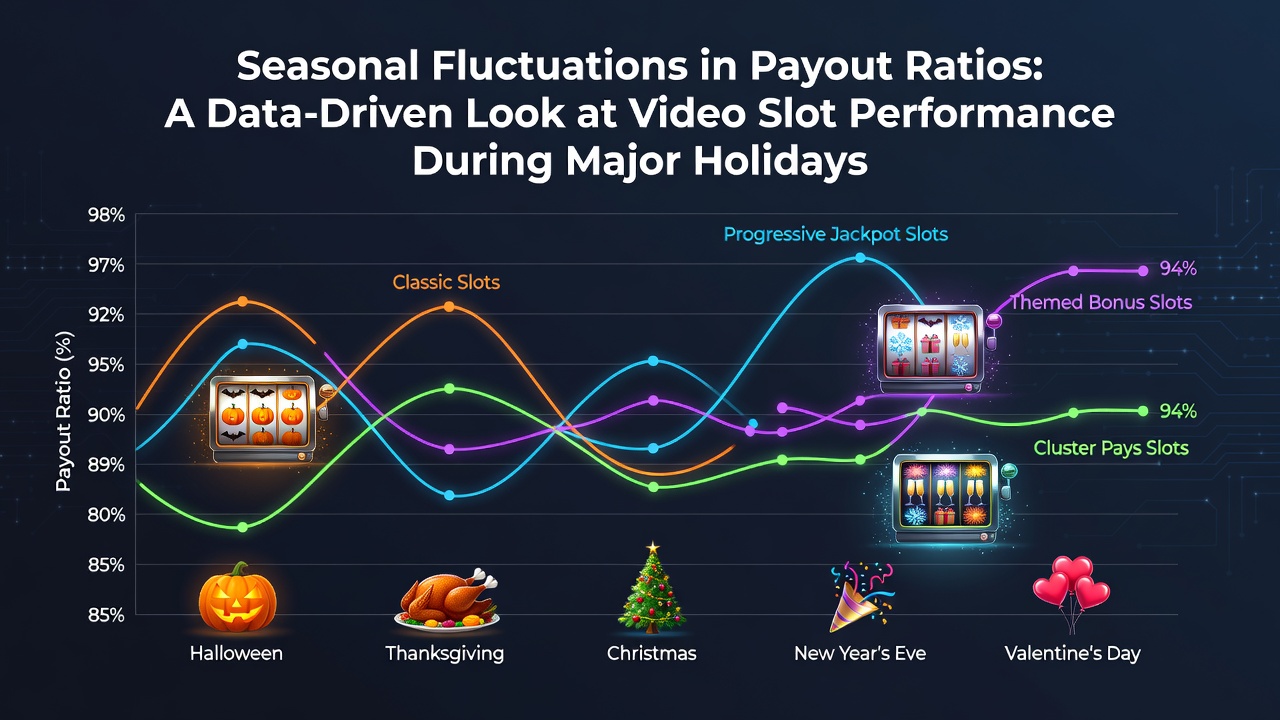
Video slot performance data collected across multiple jurisdictions reveals measurable shifts in effective payout ratios during major holiday windows, and analysts track these patterns through aggregated player transaction logs from licensed operators. Researchers compile figures from systems that monitor coin-in, coin-out, and bonus trigger rates, then compare them against baseline periods outside peak festive seasons. Studies from regulatory bodies in North America and Australia indicate that while theoretical return-to-player percentages remain fixed in game software, observed outcomes fluctuate with changes in bet sizing, session length, and game selection that players make during holidays.
Operators in regulated markets submit monthly reports that capture these variations, allowing third-party analysts to isolate holiday effects from normal variance. Data sets covering Christmas, New Year, Easter, and summer breaks show consistent upticks in average wager amounts per spin, yet the proportion of total wagers returned as wins does not always track linearly with volume increases. Observers note that game volatility profiles interact with these behavioral changes, producing periods where short-term realized returns diverge from long-term mathematical expectations.
Key Data Sources and Collection Methods
Regulatory agencies compile machine-level performance statistics that feed into broader seasonal analyses, and these records include hit frequency, average bonus round contributions, and progressive jackpot payouts. In the United States, Nevada Gaming Control Board filings supply detailed slot metrics that researchers cross-reference with calendar events, while Canadian provincial gaming commissions release comparable quarterly summaries. Australian state regulators add further layers through venue-specific reports that highlight differences between electronic gaming machines and online video slots during holiday surges.
Academic teams at institutions focused on gambling studies apply statistical controls to separate holiday-driven player behavior from random fluctuation, and they publish findings in peer-reviewed outlets that emphasize transparent methodology. These approaches rely on large sample sizes drawn from multiple operators, which reduces the impact of any single venue's promotional calendar on the overall picture.
Observed Patterns During Major Holidays
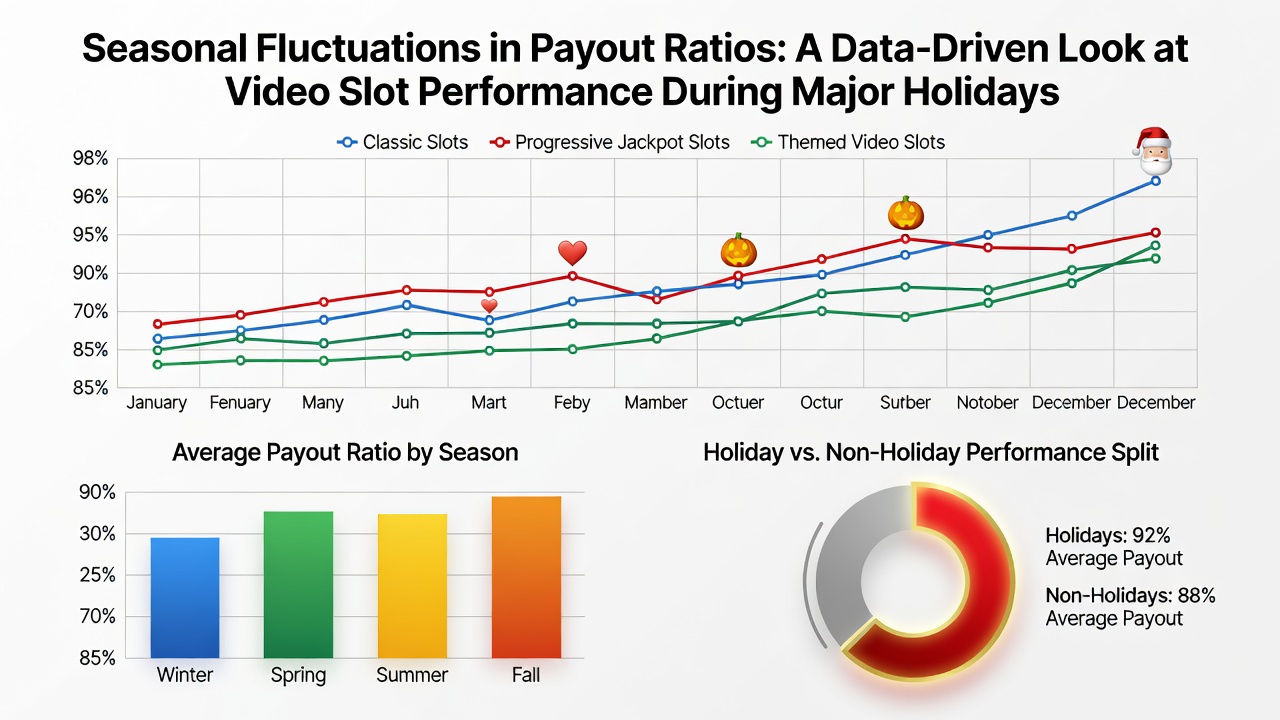
Performance records from December holiday periods frequently show elevated play volumes accompanied by modest declines in realized payout ratios on high-volatility titles, whereas lower-volatility games maintain steadier return percentages even as total handle rises. Analysts attribute the shift to increased participation from casual players who favor visually engaging machines with larger jackpot displays, and these selections carry different mathematical profiles than the steady-play options favored during non-holiday weeks. Similar patterns appear around Easter and major summer events, where data sets indicate that session durations shorten on average while bet-per-spin amounts climb.
July 2026 marks the scheduled release of updated European market aggregates that will incorporate the first full holiday cycle under revised digital gaming standards, and preliminary extracts already suggest continuity with prior seasonal trends observed in North American and Australian data. Those extracts highlight that bonus feature activation rates remain stable across holidays, yet the average size of triggered bonuses increases slightly because players trigger them at higher bet levels during festive periods.
Factors Influencing Seasonal Shifts
Player demographics change during holidays as family gatherings and travel schedules alter typical gaming times, and these shifts influence which titles receive the most play. Data indicates that progressive jackpot games attract disproportionate attention around New Year and Christmas, producing larger single-payout events that temporarily depress aggregate payout ratios until jackpots reset. In contrast, fixed-paytable games show smaller deviations because their return structures depend less on rare high-value outcomes.
Promotional calendars operated by individual sites introduce additional variables, yet aggregated data across many operators dampens the effect of any one campaign. Researchers adjust for these promotions by comparing performance on identical game titles across different platforms, which isolates the contribution of player behavior from marketing incentives. Evidence from multiple jurisdictions confirms that the core seasonal signal persists after such adjustments.
Regional Comparisons and Broader Context
North American reports emphasize land-based casino floors where physical machine counts allow granular tracking, while Australian and European sources incorporate greater shares of online video slot activity. The patterns converge on similar directional changes even though absolute volumes differ by market maturity and regulatory framework. Cross-border studies that align data collection windows around shared holidays, such as New Year, strengthen the case that player psychology rather than local rules drives the observed fluctuations.
Industry associations publish occasional summaries that aggregate operator-submitted data without revealing proprietary details, and these summaries serve as reference points for ongoing academic work. The resulting body of evidence supports the conclusion that payout ratio variations during holidays stem primarily from changes in game selection and bet sizing rather than alterations to underlying game mathematics.
Conclusion
Comprehensive data sets drawn from licensed operators across several continents demonstrate that video slot performance exhibits repeatable seasonal characteristics tied to major holidays, and these characteristics appear in both realized payout ratios and related metrics such as session length and game preference. Continued monitoring through established regulatory channels will allow researchers to test whether the patterns observed through 2026 remain stable as new titles and player cohorts enter the market.