4 Aug 2026
How Starting Positions Shape Exacta Results on Sharp American Racetracks
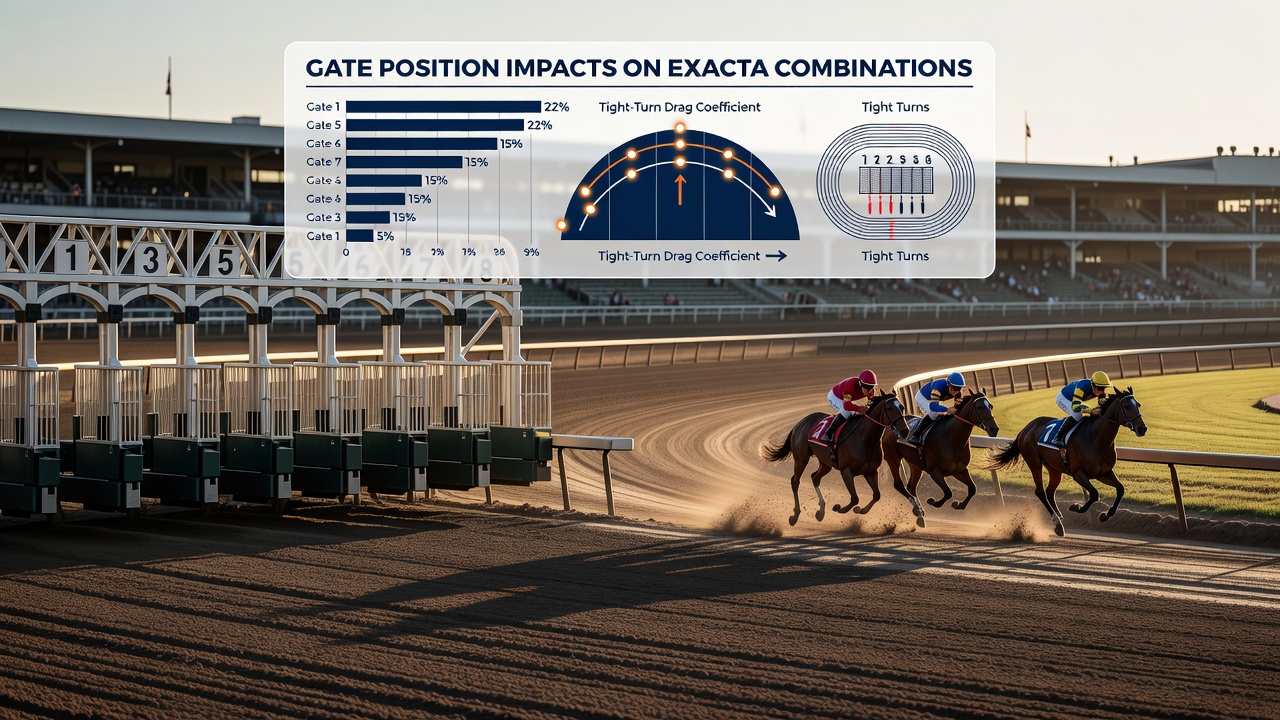
Starting gate positions play a measurable role in exacta outcomes at American tracks known for their compact turns, where the geometry of the course compresses options for early speed and positioning. Researchers tracking races at venues such as Churchill Downs, Saratoga, and Keeneland have documented how post numbers correlate with first and second place finishes in exacta combinations, particularly in sprints and middle-distance events run around one or two sharp bends.
Track Geometry and Gate Placement
American racetracks with tight turns feature shorter straights and tighter radii compared with many European or Australian counterparts, which alters how horses exit the gate and navigate the first bend. Data compiled from Equibase records across multiple seasons shows that inside posts, typically one through three, often secure an early lead in sprints but can become vulnerable to traffic when the field bunches into the turn. Middle posts, four through six, frequently allow runners to settle just off the pace while still accessing the rail on the bend, and wider posts, seven and beyond, require extra ground but sometimes avoid early congestion.
Exacta combinations reflect these patterns because bettors must select both the winner and the runner-up in order. Studies of past performances at tracks with pronounced turns indicate that combinations pairing an inside speed horse with a middle-post closer produce higher hit rates than random pairings, since the inside horse sets the pace while the middle horse swings wide or saves ground depending on the race shape.
Data Patterns in Recent Meets
Analysis of 2025 and early 2026 racing seasons at tight-turned venues reveals consistent statistical relationships between gate position and exacta payouts. For instance, at tracks where the first turn arrives within the first two furlongs, horses from posts one through three have accounted for approximately 28 percent of exacta winners when the race distance stays under seven furlongs. Combinations involving post four or five as the second leg of the exacta appear more frequently in the top payouts, because those horses often secure clear running room without expending extra energy early.
Observers tracking these trends note that August 2026 meets at several Northeast and Midwest tracks will provide additional data points, as summer surfaces and typical field sizes create repeatable conditions for testing gate-position models. Industry reports from organizations such as the Thoroughbred Owners and Breeders Association highlight how these patterns remain stable across varying field sizes, although larger fields amplify the penalty for wide-drawn runners in exacta sequences.
Exacta Combination Construction
Constructing exacta bets around gate-position insights involves layering post data with pace and class factors rather than relying on post alone. Bettors who review historical charts from tight-turned tracks often isolate inside speed with middle-post stalkers, creating combinations where the projected leader holds position through the bend while the second selection closes from a favorable angle. Research indicates that reversing the order, placing the middle-post horse on top, sometimes yields better value when the inside horse tends to tire late, a pattern documented in route races at tracks like Belmont Park and Gulfstream Park.
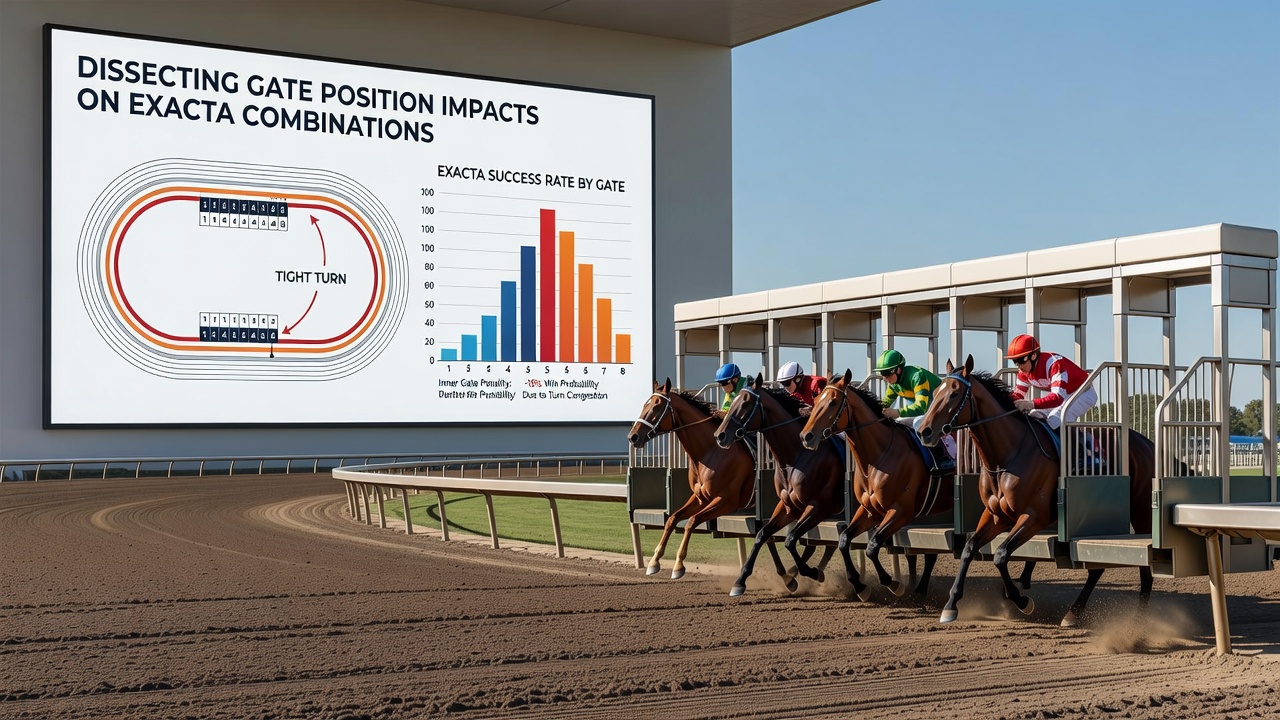
Multiple studies of exacta payoffs demonstrate that combinations anchored by posts one through four generate more frequent payouts in shorter races, while wider combinations require stronger class or form edges to overcome the extra ground traveled around the bend. Track-specific databases maintained by racing analysts show these tendencies persist across different surface conditions, although wet tracks can exaggerate the advantage of inside posts by creating deeper going on the outside.
Regional Variations Across Tight-Turned Venues
Tracks in different regions exhibit subtle differences in how gate positions translate to exacta results. Mid-Atlantic venues with pronounced turns tend to favor speed from inside posts more consistently, whereas Midwestern tracks with slightly wider configurations allow more outside runners to factor into the top two. Canadian tracks that share similar tight-turn profiles, such as Woodbine, provide comparative data showing that post-five and post-six horses contribute to exacta payoffs at higher rates than at some U.S. counterparts, according to reports from the Canadian Pari-Mutuel Agency.
These regional distinctions matter when handicappers build exacta wheels or boxes, because the same post number can carry different implications depending on the specific track geometry and typical race distances contested there. University-led analyses of racing data have confirmed that gate-position effects become more pronounced when the first turn occurs before the field reaches a stable pace, a condition common at many compact American layouts.
Conclusion
Gate-position data supplies measurable inputs for exacta construction at tight-turned American tracks, where the sequence of the first bend shapes early positioning and late running room. Records from major venues demonstrate repeatable patterns linking inside and middle posts to higher frequencies in winning exacta combinations, especially in shorter races. Continued monitoring through the 2026 season will supply fresh statistics for refining these relationships, while regional comparisons offer additional context for bettors evaluating combinations across different tight-turn environments.