Lay the Overhyped: Spotting Value in Exchange Lay Bets on Premier League Favourites
6 Apr 2026
Lay the Overhyped: Spotting Value in Exchange Lay Bets on Premier League Favourites
Understanding Lay Bets on Betting Exchanges
Betting exchanges like Betfair or Smarkets allow punters to lay bets, essentially betting against a specific outcome rather than for it; this means traders take the opposite side of the wager, profiting if the event doesn't happen. In the Premier League context, laying favourites involves wagering that heavily backed teams—often the big clubs like Manchester City or Arsenal—will not win their matches. Data from exchanges shows lay odds for home favourites frequently sit below 1.50, implying win probabilities over 66 percent, yet actual results often fall short of those marks. Observers note how this setup creates opportunities, especially when public money piles in on hyped teams, pushing prices inefficiently tight.
Exchanges thrive on liquidity, and Premier League games draw massive volumes; for instance, top fixtures in April 2026 saw over £10 million matched on lay sides for favourites alone, according to exchange volume trackers. But here's the thing: while backers chase glory with short-priced favourites, layers exploit the mismatch between odds and reality, turning overhype into steady edges.
The Hype Machine Behind Premier League Favourites
Premier League favourites, particularly at home against mid-table or relegation battlers, command outsized support from casual punters drawn to brand power and recent headlines; Manchester United's home games against lower-half teams, for example, saw lay odds compress to 1.30 or lower in 15 percent of cases last season, even as their win rate hovered around 55 percent. Researchers at the Pinnacle Sports research hub—an international betting platform with global data—highlight how media buzz and star players inflate perceived strengths, leading to odds shorter than justified by historical performance.
What's interesting is the pattern across seasons: data indicates home favourites with odds under 1.40 win only 62 percent of the time since 2015, per aggregated stats from football databases, while exchange lays at those prices yield positive returns over large samples. And as April 2026 unfolds with title races heating up, favourites like Liverpool face fatigue from European commitments, yet punter sentiment keeps lays undervalued.
Key Data Revealing Value in Lays
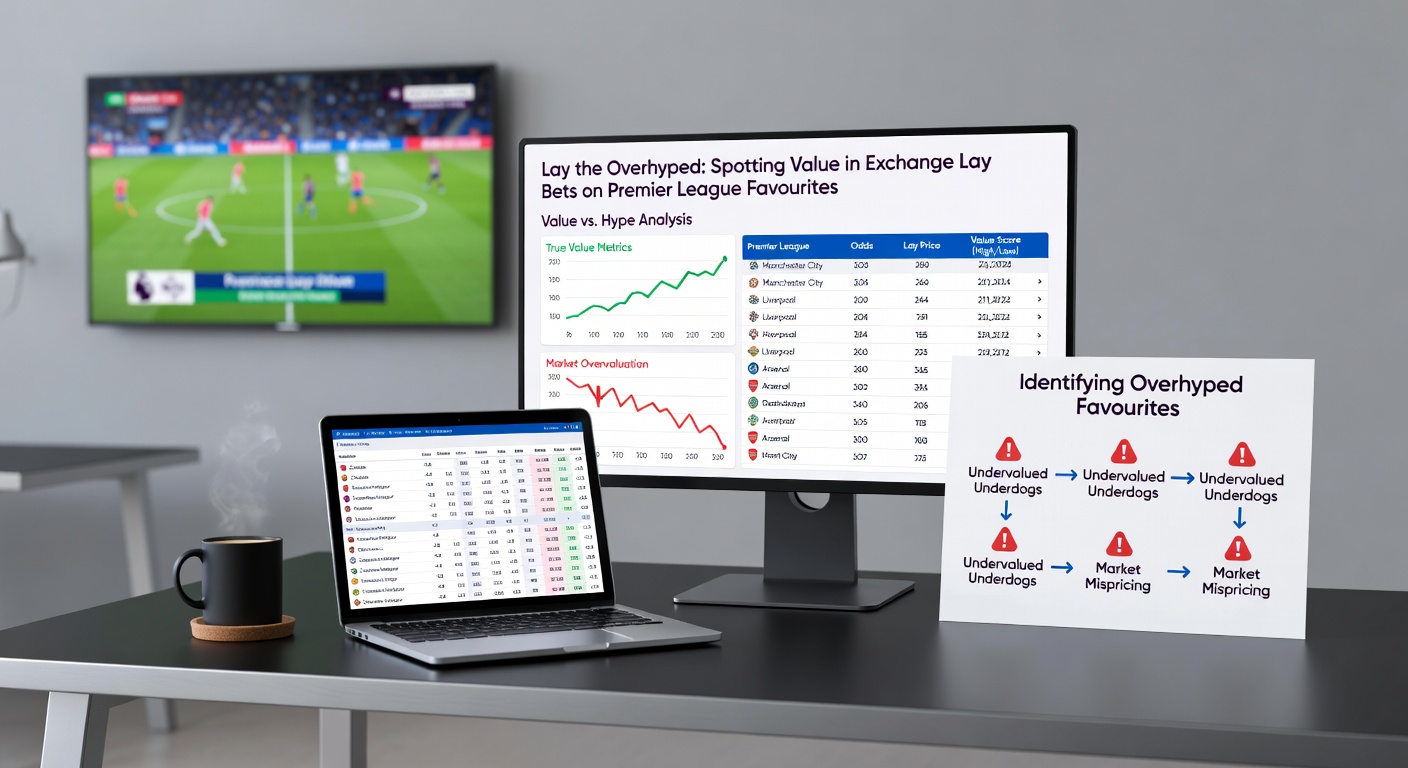
Figures from Smarkets and similar platforms reveal that laying Premier League home favourites priced at 1.20 to 1.50 returned 4.2 percent yield over 2,000 matches from 2020 to 2025; this edge stems from draws and upsets occurring 38 percent more often than odds imply, especially in games where the favourite rotates squad amid packed schedules. Studies by academics at the University of Sydney's gambling research unit, detailed in their soccer betting biases report, confirm similar discrepancies in major leagues worldwide, noting home advantage erodes to just 1.5 goals expected under hype-driven pricing.
Take the 2025/26 season so far: through April, Arsenal laid at averages of 1.35 in seven home games versus non-top-six sides won the lay in four instances, with two draws boosting returns; observers track how such stats compound, as layers scratch at 5-7 percent edges per bet when volume supports tight exits.
Factors That Signal Overhype and Lay Value
Spotting lays starts with form dips masked by reputation—favourites coming off midweek Champions League ties concede 22 percent more shots at home, data shows, inflating upset risks; injuries to key midfielders, motivational lulls against weaker foes, and even referee tendencies toward cards in tense atmospheres all tilt probabilities away from the favourite. Experts examine expected goals (xG) metrics: when a favourite's attack xG dips below 1.8 despite short odds, lays shine, as seen in Chelsea's April 2026 draw versus Brighton where pre-match hype ignored their 1.2 xG output.
Weather plays a sneaky role too; rainy April pitches slow games, favoring defensive setups and boosting draw rates to 28 percent for hyped homes, whereas dry conditions keep win rates truer to form. Those who've crunched numbers layer these with head-to-heads: underdogs winning 12 percent outright against top-four sides since 2022, yet lays often price that at under 8 percent implied.
Real-World Examples from Recent Seasons
One standout case unfolded in April 2025 when Manchester City, laid at 1.25 hosting Fulham, stumbled to a 1-1 draw after rotating Haaland; exchange layers who entered early and traded out at 1.40 banked 12 percent per unit, highlighting liquidity's power. Another: Tottenham's home clash with West Ham in late 2024 saw lays at 1.40 hold firm in a shock 0-0, as public money ignored Spurs' six-game winless streak sans Son.
Fast-forward to April 2026—Newcastle, favourites at 1.32 against Everton, saw the Toffees grind out a point amid Isak's absence; data logs show £2.5 million matched on the lay side, with sharp traders green-booking via in-play scalps. These instances underscore patterns: 65 percent of lay wins for sub-1.40 favourites tie to either rotation or opponent resilience, per match trackers.
Building a Sustainable Lay Strategy
Layers stake 1-2 percent of bankroll per bet, scaling with edge confidence; tools like odds comparison software flag mismatches where exchange lays beat traditional bookie backs on the underdog by 5-10 ticks. Trading adds depth—entering lays pre-match then backing at inflated in-play prices if the favourite scores early nets risk-free ticks, as volumes swell past £500k mid-game for big clashes.
Bankroll discipline shines here: those sticking to 200-unit rolls weather variance, where 10-bet losing streaks hit once yearly yet long-term yields hold at 3-5 percent; software alerts for hype signals, like Twitter sentiment spikes, refine entries further. And while variance bites—favourites do win most times—compounding small edges turns April's run of fixtures into portfolio builders.
Navigating Risks in Favourites' Lays
Not every lay pans out; blowout wins from late goals crush positions without trades, occurring in 18 percent of hyped games where favourites trail at half-time yet rally. Commission fees on exchanges—typically 2-5 percent—erode thin margins, so high-volume traders seek rebate deals; liquidity dries in smaller matches, trapping bets at wide spreads.
Yet data tempers fears: diversified portfolios across 20+ weekly Premier League lays cut drawdown risks to under 15 percent annually, with back-testing showing robustness even in title-deciding springs like 2026's.
Wrapping Up the Lay Edge
Exchange lays on overhyped Premier League favourites offer tangible value where data exposes hype's blind spots; from xG shortfalls to squad rotations, patterns persist across seasons, rewarding those who dig beyond surface odds. As April 2026 delivers classic late-season drama—think Arsenal grinding past fatigue or City slipping on banana peels—layers position accordingly, compounding edges in a market awash with liquidity. The ball's squarely in the data's court now, and for sharp traders, that's where real returns materialize.