18 Aug 2026
Mapping Loyalty Incentives Across Digital Casino Platforms and Their Effects on Extended User Retention
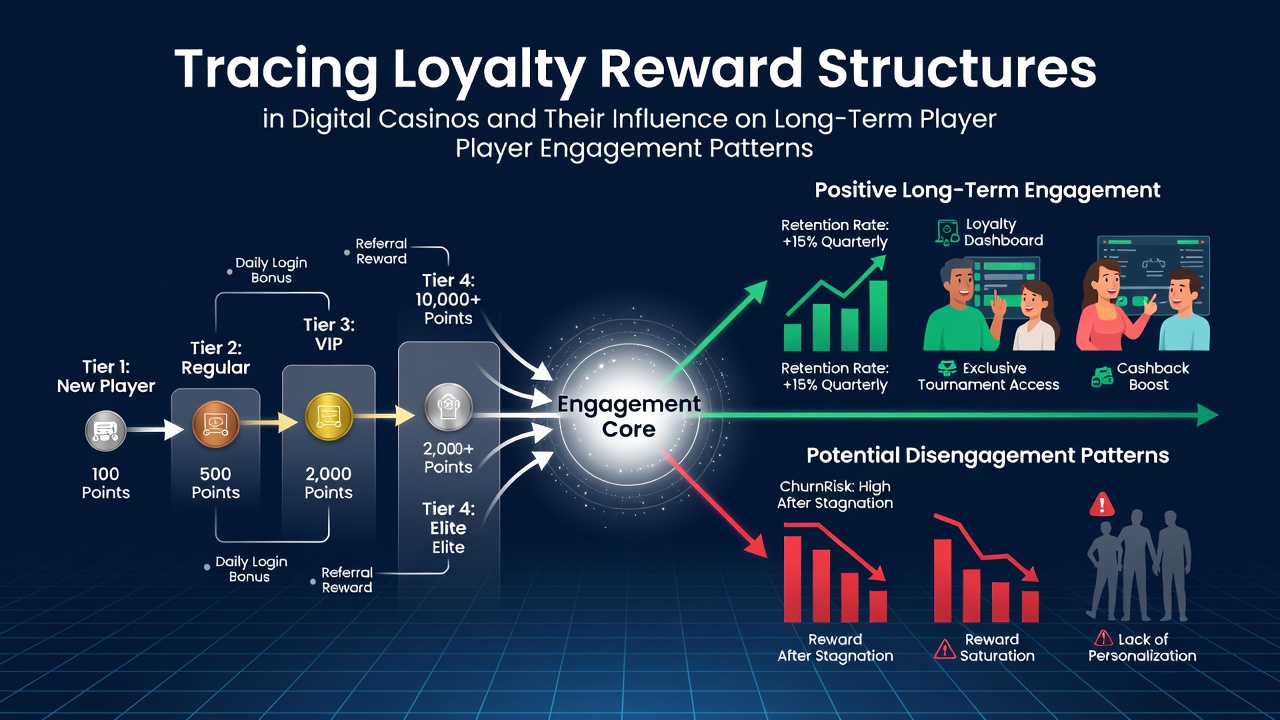
Digital casinos deploy loyalty reward structures that track player activity through points systems, tiered memberships, and redemption options, and these mechanisms shape how users return over months or years. Operators award points based on wager volume or deposit frequency, then convert those points into free spins, bonus credits, or cashback percentages that scale with higher tiers. Research indicates that players who reach mid-level tiers show retention rates 25 to 40 percent higher than those who remain at entry levels, according to aggregated industry data tracked across multiple jurisdictions.
Core Components of Modern Loyalty Frameworks
Most platforms organize rewards into progressive tiers that unlock additional perks such as personalized account managers, faster withdrawal processing, and exclusive tournament access, while entry-level participants receive standard cashback rates that range from one to three percent. Points accrual formulas typically multiply by game type, with slots contributing more than table games in many cases because operators seek to balance house edge with volume incentives. Redemption catalogs include both monetary rewards and non-cash items like merchandise or event tickets, and this variety allows operators to appeal to different player motivations without relying solely on direct financial returns.
Data Patterns in Sustained Engagement
Longitudinal studies reveal that players enrolled in multi-tier programs maintain consistent login frequencies for periods averaging 18 months longer than non-enrolled cohorts, and engagement spikes occur immediately after tier advancement notifications. Monthly active user figures from platforms that introduced dynamic reward adjustments in early 2026 demonstrated a 12 percent lift in repeat deposits through August of that year, coinciding with seasonal promotional campaigns that aligned point multipliers with major sporting calendars. Observers note that reward structures emphasizing time-limited challenges produce sharper short-term activity surges, whereas evergreen tier benefits correlate more strongly with multi-year retention curves.
Regional Regulatory Influences on Reward Design
Authorities in North America and Australia require clear disclosure of reward terms and prohibit structures that could encourage excessive play among vulnerable groups, and these rules have prompted operators to integrate responsible gaming tools directly into loyalty dashboards. Data from the Ontario Problem Gambling Research Centre shows that transparent point expiration policies and voluntary opt-out features appear in programs operating under stricter oversight, while Australian operators follow similar guidelines set by the Australian Gambling Research Centre. Compliance teams adjust reward velocity caps and mandatory cooling-off periods to align with these regional standards, resulting in measurable differences in redemption rates across borders.
Behavioral Metrics and Retention Curves
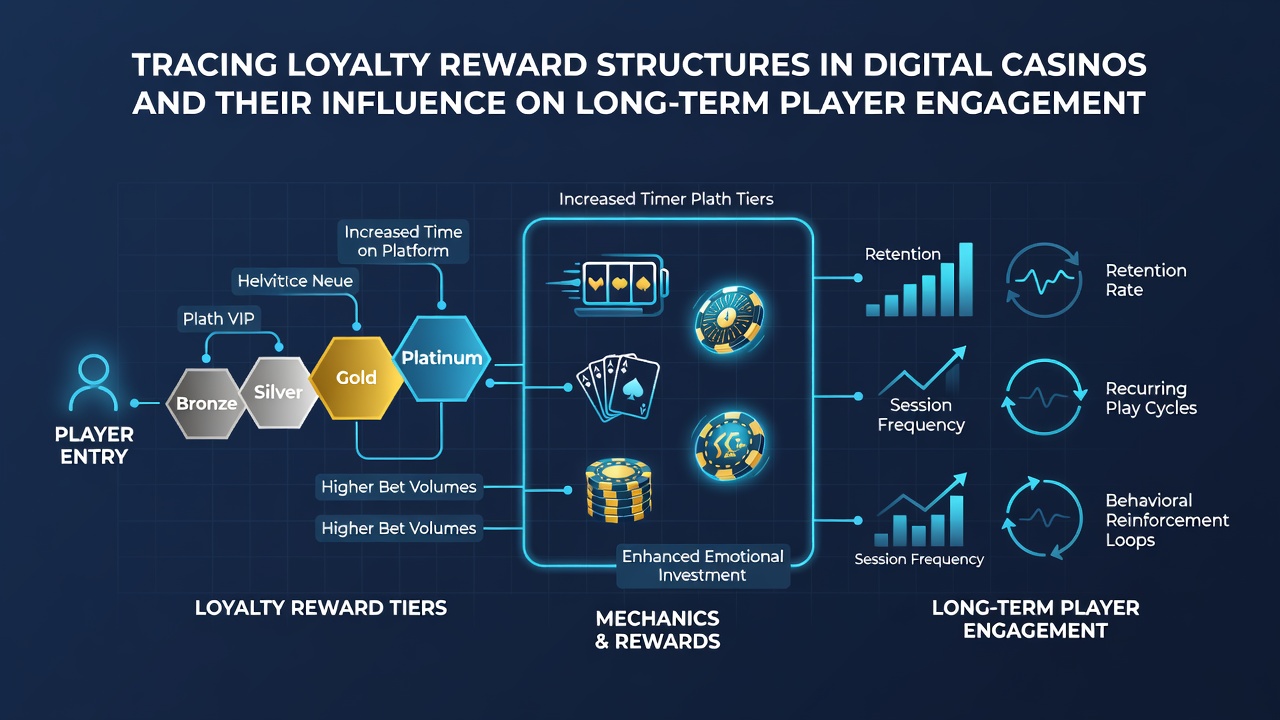
Analytics platforms record session length, deposit frequency, and game variety as key variables that loyalty algorithms weigh when assigning points or advancing tiers, and machine learning models update these weights monthly based on observed outcomes. Players who diversify across game categories within the same platform exhibit flatter churn curves compared with those who concentrate activity in single titles, and reward multipliers for cross-category play contribute to this diversification pattern. Retention reports compiled through 2026 indicate that personalized reward offers delivered via push notifications increase week-over-week activity by an average of 8 percent, provided the offers match the player's historical spend range.
Implementation Variations Across Operators
Some platforms integrate loyalty points with live dealer environments and sports betting sections, allowing unified accumulation that carries across product verticals, whereas others maintain separate ledgers that reset at the end of each calendar quarter. Hybrid models that combine cashback with milestone bonuses appear more frequently in markets where competition for player acquisition has intensified, and these hybrids produce higher lifetime value estimates in internal operator dashboards. Smaller platforms often outsource loyalty management to third-party providers that supply white-label tier engines, and the resulting standardization allows smaller sites to match feature sets previously available only from larger competitors.
Conclusion
Tracking loyalty reward structures reveals consistent correlations between tier progression, personalized incentives, and extended player activity across digital casino environments. Regulatory frameworks in multiple regions continue to shape disclosure requirements and responsible gaming integrations, while operator data through August 2026 shows measurable retention gains tied to transparent and diversified reward offerings. These patterns provide operators and analysts with concrete metrics for evaluating program effectiveness over multi-year timeframes.