7 Aug 2026
Multiplier Features in Digital Slots and Their Role in Session Extensions
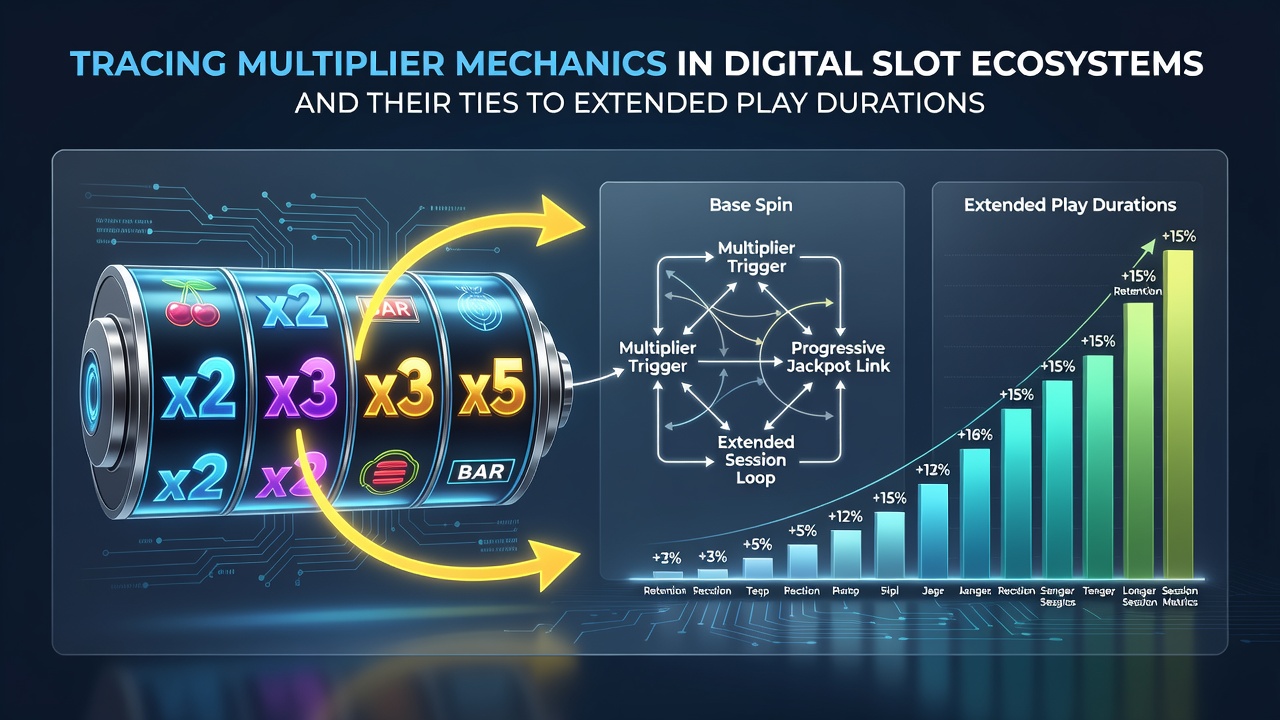
Digital slot platforms incorporate multiplier mechanics that scale winnings across base games, bonus rounds, and cascading sequences, and these systems connect directly to patterns of extended player engagement according to industry tracking data. Multipliers appear in forms such as fixed values on wild symbols, progressive increases during free spin sequences, and random triggers that compound payouts over multiple spins, while operators integrate them into game mathematics to influence session length metrics.
Core Multiplier Structures Across Slot Designs
Slot developers deploy several multiplier categories that operate within random number generator frameworks, and these include static multipliers attached to specific symbols, dynamic ones that rise with consecutive wins, and hybrid models combining both elements in a single feature set. Research from academic institutions indicates that progressive multipliers activate more frequently in games with higher volatility ratings, whereas static variants appear across lower-volatility titles to maintain steady payout rhythms. Game mathematics files reveal that multiplier frequency rates range between 2 percent and 8 percent of total spins in many commercial releases, and these rates tie into overall return-to-player percentages that remain consistent across regulated markets.
Developers program cascading reels to reset or escalate multiplier values after each winning cluster clears from the grid, and this creates chained sequences where one successful outcome feeds into the next. Observers note that such chaining mechanics appear in titles released after 2023 updates, and they often pair with buy-a-bonus options that allow direct access to enhanced multiplier rounds.
Session Data Patterns Linked to Multiplier Activation
Platform analytics collected through player tracking systems demonstrate that sessions containing at least one multiplier trigger extend by an average of 12 to 18 minutes compared with sessions without such events, and this pattern holds across multiple software providers. Figures from operator dashboards show increased spin counts per session when multipliers exceed a 5x threshold, while lower values produce more modest extensions. Data collected in August 2026 from European and North American servers indicates that games featuring escalating multipliers during free spin modes record the longest average durations, reaching 45 minutes or more in select titles.
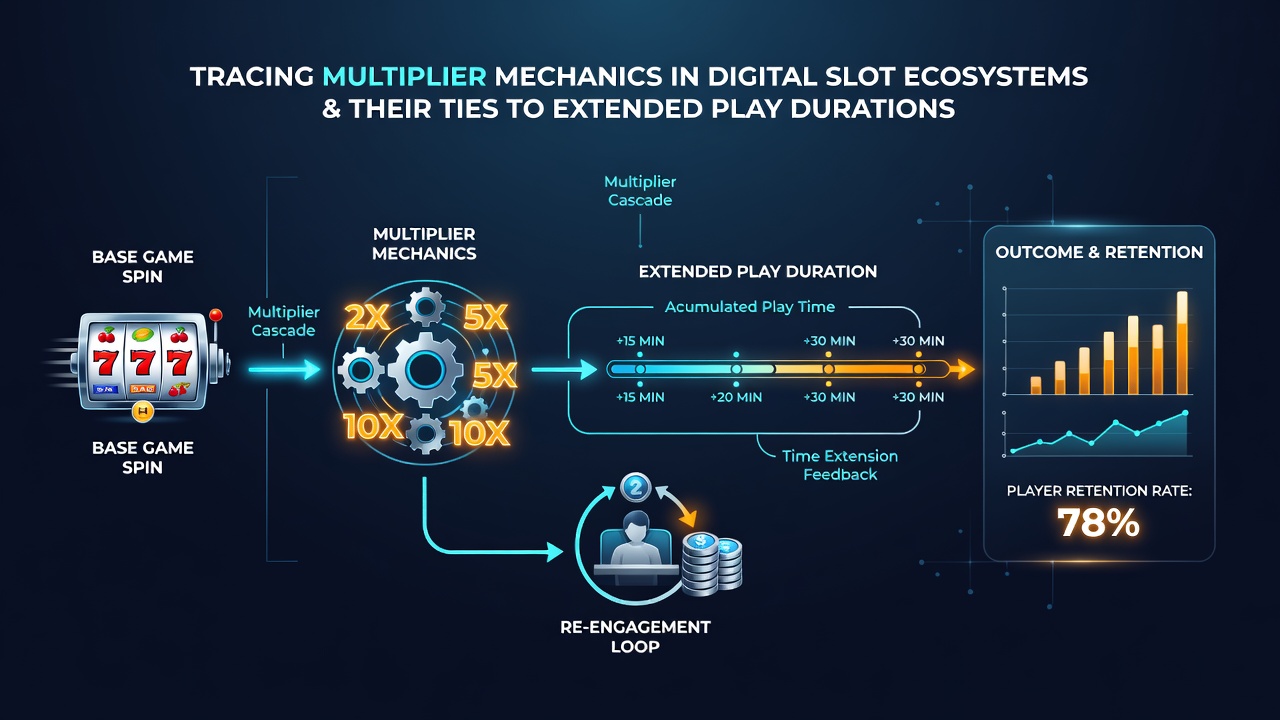
Regulators in jurisdictions outside the United Kingdom, such as those overseen by the Nevada Gaming Control Board, require transparent reporting on how these features affect playtime, and reports submitted in 2025 highlighted correlations between multiplier density and total handle per session. Similar disclosures from Australian regulatory bodies confirm that players encounter multipliers at rates that align with mathematical models, yet actual session extensions vary based on individual bet sizing and game selection.
Integration With Bonus Systems and Retention Tools
Slot ecosystems combine multipliers with loyalty programs and progressive jackpots, and this layering encourages continued play after initial triggers occur. Bonus buy mechanics allow access to rounds where multipliers start at elevated levels, and data shows these purchases correlate with sessions that surpass 60 minutes in length. Researchers at institutions studying gambling behavior have documented that visual and auditory cues accompanying multiplier activations reinforce continued spinning, though regulatory standards limit certain promotional pairings in several regions.
Cross-provider comparisons reveal that studios emphasizing multiplier growth during base game play sustain longer engagement than those reserving them exclusively for bonus modes, and this distinction appears in performance metrics released by industry associations. One study published through university channels examined over 200 titles and found multiplier frequency directly influenced repeat visit rates within a 24-hour window.
Conclusion
Multiplier mechanics in digital slot environments operate through defined mathematical structures that link to measurable extensions in play duration, and available data from multiple regulatory and academic sources supports these connections without attributing causation to any single factor. Continued monitoring by oversight bodies and research groups will track how future design iterations affect these patterns across global markets.