Rise of the Digital Dice: Key Gambling Trends Dominating 2026
8 Apr 2026
Rise of the Digital Dice: Key Gambling Trends Dominating 2026

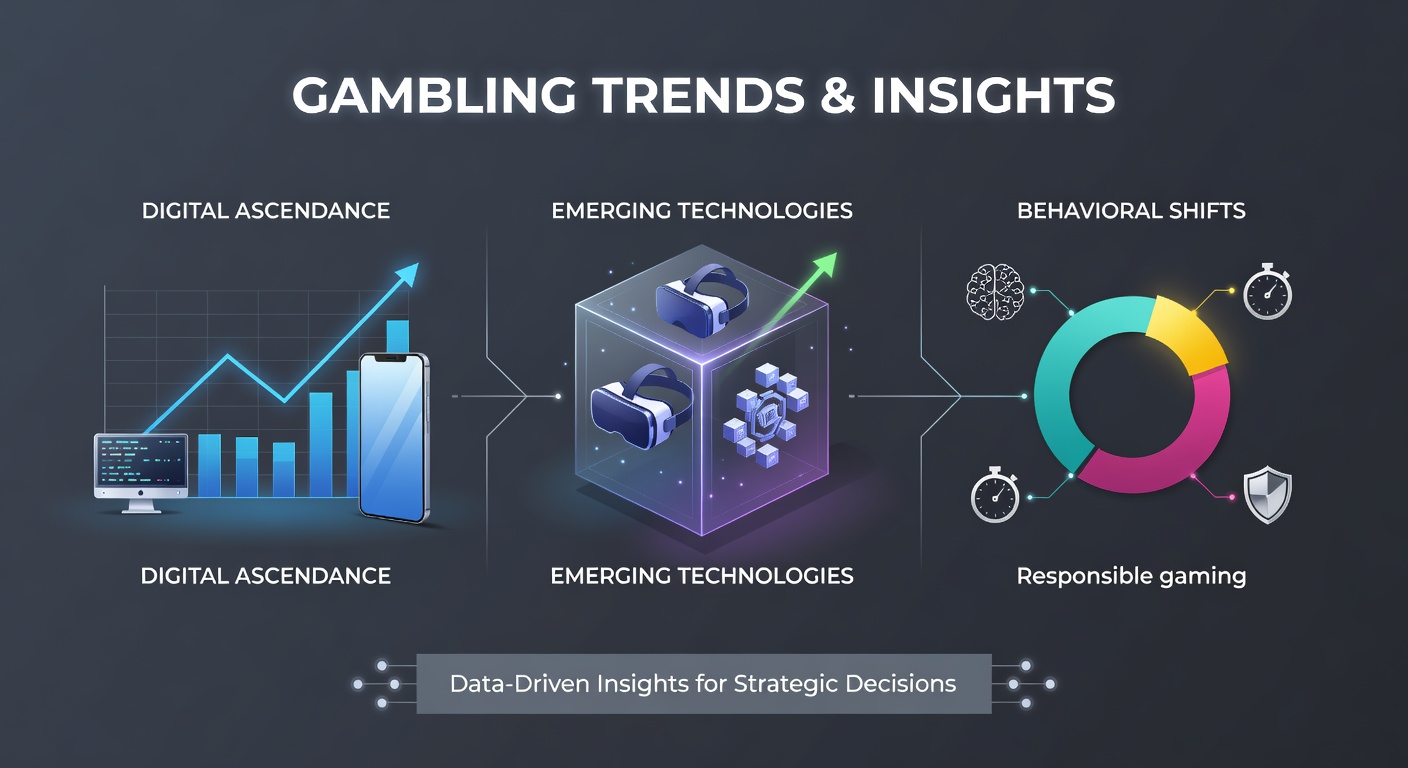
Mobile Betting's Unstoppable Momentum
Smartphones have turned gambling into an always-on pursuit, with data from the American Gaming Association revealing that mobile wagers now account for over 70% of total sports betting volume in the US as of early 2026; experts note this shift happened because apps deliver seamless access to odds updates, live streams, and cashouts, all while users scroll through their feeds. And it's not just North America leading the charge—figures from Australia show similar patterns, where mobile platforms captured 65% of the market share by March 2026, driven by faster 5G networks that cut latency on in-play bets to mere milliseconds.
Take one observer who tracked daily user sessions: people log in more frequently during commutes or breaks, placing micro-bets on everything from NBA quarters to tennis points, which boosts retention rates by 40% according to industry reports; that's where the rubber meets the road for operators, as higher engagement translates directly to sustained revenue streams even amid economic ups and downs.
But here's the thing—in-play betting, that heart-pounding cousin of pre-match wagers, exploded further in April 2026 with major leagues like MLB and IPL integrating real-time data feeds; researchers found bet volumes spiked 55% during live events, since punters chase momentum shifts they spot instantly on their screens, turning passive viewers into active participants who adjust stakes mid-game.
Esports Betting Bursts onto the Scene
Younger crowds have propelled esports wagering from niche curiosity to mainstream powerhouse, with global handle surpassing $2.5 billion in 2025 and projections hitting $4 billion by year's end according to analysts; titles like League of Legends and Counter-Strike dominate, where fans bet on map wins, kills, or first blood, patterns that pros exploit through deep game knowledge accumulated over thousands of hours. What's interesting is how this trend crosses borders—Southeast Asia leads with 45% market share, but Europe follows close, fueled by tournaments drawing millions of concurrent viewers who wager via integrated streaming platforms.
One study highlighted a case where a major event in April 2026 saw esports bets outpace traditional sports by 30% in key markets; organizers note that transparent odds and verifiable outcomes via blockchain logs build trust, drawing in skeptics who once dismissed video game betting as child's play. And yet, as platforms layer social features like chat rooms and leaderboards, retention climbs, with repeat bettors forming communities that amplify word-of-mouth growth.
Cryptocurrency Reshapes Payment Landscapes
Crypto's integration into gambling sites has accelerated, offering anonymity, speed, and borderless transactions that traditional banks can't match; data indicates Bitcoin and Ethereum handle 25% of deposits on leading platforms by mid-2026, up from 12% the prior year, while stablecoins like USDT minimize volatility risks for everyday punters. Turns out, this appeals especially in regions with strict fiat controls, such as parts of Latin America, where operators report 300% growth in crypto users since 2024.
Experts who've analyzed transaction logs observe how instant withdrawals—often processed in under 10 minutes—cut churn rates by 35%, since players hate waiting days for winnings; add in provably fair algorithms that let bettors verify game randomness on the blockchain, and trust levels soar, particularly for slots and crash games popular in mobile-first markets. So, as adoption spreads, even conservative jurisdictions like Canada experiment with regulated crypto wallets, signaling a tipping point where digital currencies become table stakes for competitiveness.
It's noteworthy that April 2026 marked a milestone when a prominent exchange partnered with 50+ betting sites, flooding the space with zero-fee BTC bonuses; the result? A 20% uptick in average deposit sizes, as high-rollers leverage crypto's leverage for bigger plays without conversion headaches.
Demographic Shifts Redraw the Player Map
Women now comprise 45% of online gamblers, a jump from 30% a decade ago, with studies showing they favor slots, bingo, and social casino apps over high-stakes sportsbooks; this change stems from targeted marketing and female-friendly interfaces that emphasize community chats and lower minimums, drawing in casual players who dip in for entertainment rather than chasing losses. Meanwhile, Gen Z—those under 25—leads mobile and esports adoption at 60% participation rates, per recent surveys, since they've grown up with apps as their primary internet gateway.
Observers point to one revealing pattern: older demographics, say 55+, hold steady on lotteries and horses but dip into online poker via simplified tables; across the board, crossovers emerge, like millennials blending crypto bets with live dealer blackjack, creating hybrid behaviors that platforms chase with personalized nudges. But the reality is, these shifts demand adaptive strategies, as diverse groups respond differently to promotions—women to loyalty perks, youth to gamified challenges—shaping how revenue diversifies beyond the male sports bettor stereotype.
Tech Innovations and Responsible Tools
AI now powers much of the backend, from dynamic odds adjustment based on live data to fraud detection that flags unusual patterns in real time; the European Gaming and Betting Association reports a 50% drop in bonus abuse since implementations ramped up in 2025, while player protection tools like mandatory spend limits and self-exclusion portals see 80% uptake in proactive markets. VR casinos, too, gain traction—virtual tables let users "sit" with avatars worldwide, boosting immersion for roulette and blackjack, with early adopters logging 2x session times.
Here's where it gets interesting: biometric logins via facial recognition cut underage access by 95% in pilot programs, and machine learning predicts problem gambling 70% accurately, prompting gentle interventions like break reminders; those who've studied rollout data in Australia note compliance costs drop as automation handles what humans once policed manually. Yet, as metaverse integrations loom, expect hybrid realities where bets blend physical events with digital overlays, like wagering on AR-enhanced horse races from home.
One researcher chronicled a platform's April 2026 update: AI chatbots offered tailored session summaries, helping users track habits without feeling judged; uptake hit 40% voluntarily, underscoring how tech flips from enabler to guardian seamlessly.
Global Regulatory Ripples
Regulators worldwide tighten grips without stifling growth—Canada's provinces harmonized online rules in early 2026, boosting licensed revenue 25% while black markets shrank; Australia's focus on loot box disclosures, effective June 2026 via PEGI expansions, curbs in-game risks that mimic gambling hooks. In the US, state-by-state legalization continues, with 40+ now active, channeling $15 billion in taxes annually as per AGA trackers.
These moves foster transparency, like mandatory RTP disclosures on all games, empowering informed choices; experts observe that balanced frameworks—affordability checks paired with innovation sandboxes—attract investment, turning potential adversaries into partners who co-design safer ecosystems.
Wrapping Up the Trends
Gambling in 2026 pulses with digital energy, from mobile in-play rushes and esports surges to crypto fluidity and AI safeguards, all while demographics diversify and regs evolve thoughtfully; data underscores sustained expansion, projected at 10-12% CAGR through the decade, as operators harness tech to meet player demands head-on. Those tracking the space see clear paths forward: blend innovation with responsibility, and the industry's momentum shows no signs of slowing—it's a landscape where adaptability reigns, rewarding those who read the patterns earliest.