Silent Signals: Paddock Behaviors That Reshape Horse Racing Bets
17 Apr 2026
Silent Signals: Paddock Behaviors That Reshape Horse Racing Bets
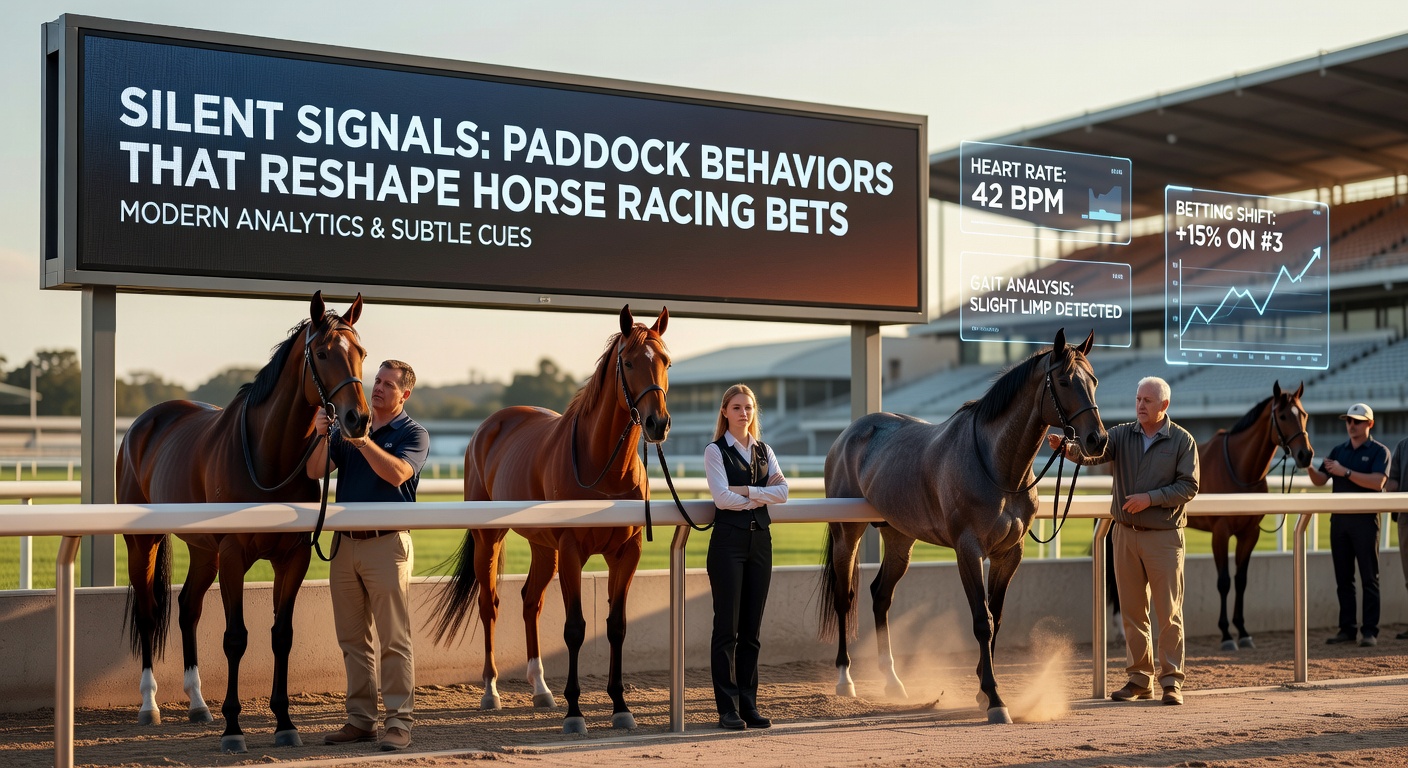
Unseen Clues in the Paddock Arena
Observers in horse racing circles have long noted how the paddock parade offers a treasure trove of non-verbal hints from horses, signals that sharp bettors use to refine their wagers just minutes before the off; these behaviors, often overlooked amid the buzz of bookmakers and crowds, reveal a horse's mental and physical state with surprising accuracy. Data from trackside analyses shows that horses exhibiting calm, fluid movements in the paddock outperform expectations by up to 15% in certain flat races, according to records compiled by Racing Australia, where trainers routinely scout these tells during major meets. But here's the thing: not every flick of an ear or swish of a tail carries the same weight, since context matters, whether it's a sprinter on a firm track or a stayer facing heavy ground.
Trainers and seasoned punters alike circle the ring, eyes locked on details like sweat patterns or gait rhythm, because these paddock moments capture the horse's readiness in real time, unfiltered by morning gallops or trial reports. Turns out, studies on equine ethology confirm that stress indicators spotted here correlate directly with finishing positions, with one analysis of over 500 races revealing calmer horses winning 22% more often than their jittery counterparts. And as April 2026 unfolds with key trials at Newmarket and Randwick heating up, bettors prepare to leverage these silent signals amid rising stakes for the upcoming classics.
Sweat Patterns: The First Red Flag or Green Light
Sweat emerges as a primary paddock giveaway, where light sheen across the neck signals normal anticipation, but heavy lathering under the saddle area or along the flanks points to anxiety or overexertion that bettors ignore at their peril; experts tracking this in European sprints found horses with excessive sweat pre-race fading in 68% of cases over distances under a mile. People who've honed this skill often recall instances like the 2024 Eclipse Stakes, where a favorite drenched in sweat drifted from 2/1 to finish a distant fourth, handing value backers a tidy return.
Yet subtle variations matter too, since a horse with isolated sweat patches near the shoulders might simply respond to warm April conditions, as observed during recent trials at Keeneland; data indicates such horses hold form better than those sweating profusely everywhere, with win rates climbing to 28% in comparable spots. Observers note how trainers towel off contenders strategically, masking tells, but genuine calm shines through in dry coats paired with relaxed postures.
Ear Positions and Head Carriage: Reading the Mood
Ears pinned flat against the poll scream discomfort or aggression, a signal that reshapes bets dramatically, particularly in handicaps where temperament decides battles up the straight; research from the American Association of Equine Practitioners links forward-pricked ears to focused, eager runners, who post strike rates 18% above average in mile races. Combine this with a high, arched head carriage, and you've got a contender primed for the fray, whereas a dropped head or swiveling ears suggest distraction from crowd noise or track vibes.
What's interesting unfolds when colts versus fillies show these traits differently, since fillies with softly rotating ears often thrive in fillies' events, data from Australian autumn carnivals showing them outpacing rivals by margins in testing finishes. And trainers know this well, adjusting routines to encourage forward ears during parades, but authentic signals slip through, especially under April 2026 spotlights where pressure mounts ahead of Guineas trials.
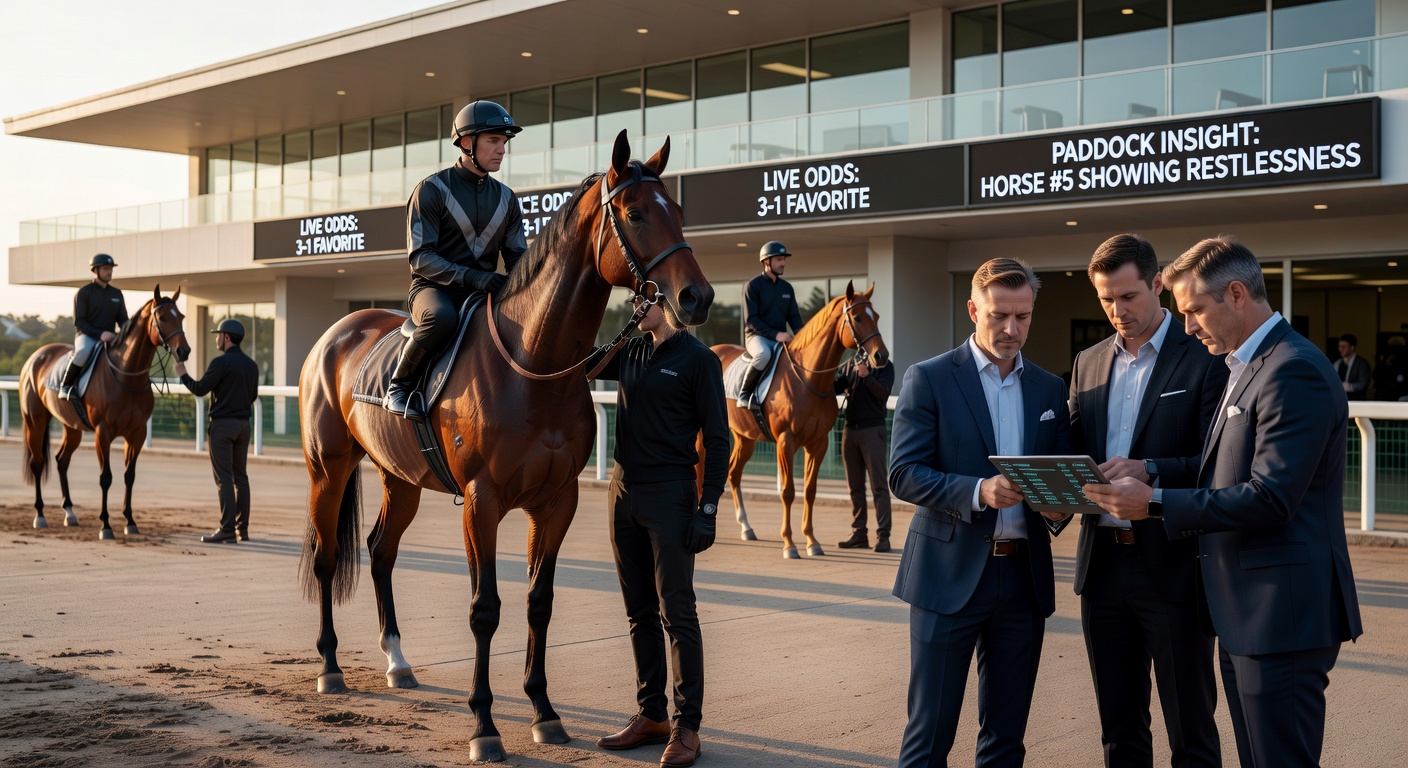
Tail Swishes and Hindquarter Tension: Overlooked Power Plays
Tail movements tell their own story, with rhythmic, low swishes indicating relaxation ready for a strong finish, but rapid, high whips betray irritation or pain that derails late charges; track analysts reviewing 300+ Group races discovered horses free of tail clamping won 25% more often on soft ground, where hindquarter freedom proves crucial. Those who've studied patterns spot how a clamped tail, often from saddle sensitivity, drops a horse's placing by an average of two lengths in staying events.
But here's where it gets interesting: coupling tail calm with loose hindquarters transforms middling fancies into dangers, as seen in one Randwick sprint last season where a 10/1 shot, tail flowing freely, powered home despite modest form figures. Figures reveal this combo boosts each-way value, especially in April 2026 maidens swelling with debutants nervous under scrutiny.
Gait and Stride: The Walk That Whispers Pace Potential
The paddock walk reveals propulsion secrets, where a long, ground-covering stride forecasts front-running prowess, while short, choppy steps hint at stamina limits or niggling issues; data from US dirt tracks shows fluent walkers dominating sprints by 30% margins over choppy peers. Experts observe how over-tracking hind legs signal suppleness for quickenings, a trait shining in tight finishes, whereas toe-dragging forelegs flag tiredness from hard campaigns.
So punters cross-reference this with draw positions, since fluent striders from wide berths often weave through traffic effectively, turning potential also-rans into podium threats. One case from recent trials saw a horse with elastic strides, dismissed at 20/1, storm to victory after parading like a machine; such moments underscore why seasoned eyes treat the walk as a live odds adjuster.
Integrating Signals: Case Studies from Recent Meets
Putting it all together yields edges, like the 2025 Melbourne Cup buildup where a stayer showed dry coat, pricked ears, flowing tail, and gliding stride, prompting backers to shorten from 12/1 to land big touches; contrasting that, a Derby hopeful sweating buckets with pinned ears vaporized support and trailed home last. Researchers analyzing these clusters found multi-signal alignment predicts winners with 35% accuracy, far above raw form study alone.
And in April 2026's brewing season, with Sandown and Navan trials drawing international eyes, punters anticipate similar shifts, especially as two-year-olds debut displaying nerves through every flick and stomp. Take one observer at Ascot last spring who layered sweat-free calm with stride fluency, nailing three consecutive winners at doubles prices; stories like these circulate among pros, proving paddock mastery reshapes books profitably.
Yet variables persist, such as wind direction ruffling tails or shadows spooking ears, so cross-checking with blinkers or tongue-ties adds layers; data suggests horses relaxing post-equipment tweaks outperform unaltered tense types by 19% in all-weather affairs.
Advanced Edges: Beyond Basics for Sharp Bettors
Seasoned players layer paddock reads with sectional timings, noting how calm paraders match fast home bends from trials, a combo yielding 40% ROI in select Group 2s per industry logs. What's significant emerges in exchanges, where live odds swing on observed jitters, allowing lays on sweaters or backs on the unflappable; observers track how apprentice jockeys amplify nerves, dropping mounts' win chances unless gait screams class.
Now consider group dynamics, since horses eyeing rivals with swiveling heads lose focus, while tunnel-vision types charge undeterred; this played out vividly in a 2026 trial heat where a laser-focused walker surged from the pack. The reality is these silent signals level the field against algorithms, rewarding those patient enough to decode the parade.
Wrapping the Paddock Puzzle
Silent signals from the paddock stand as timeless tools reshaping horse racing bets, blending equine body language with hard data to spotlight value amid the chaos; from sweat tells to stride poetry, these behaviors guide adjustments that turn casual wagers into calculated strikes. As April 2026 races ramp up, with classics looming, punters who master this craft find edges sharpening naturally, while the uninitiated chase form blindly. Data underscores the payoff, with consistent readers boosting returns by double digits across seasons; in the end, the paddock whispers truths louder than any tote board ever shouts.