Slot Machine Metrics Decoded: Hit Frequency and RTP as Pros' Tools for Steady Bankroll Management
24 Apr 2026
Slot Machine Metrics Decoded: Hit Frequency and RTP as Pros' Tools for Steady Bankroll Management
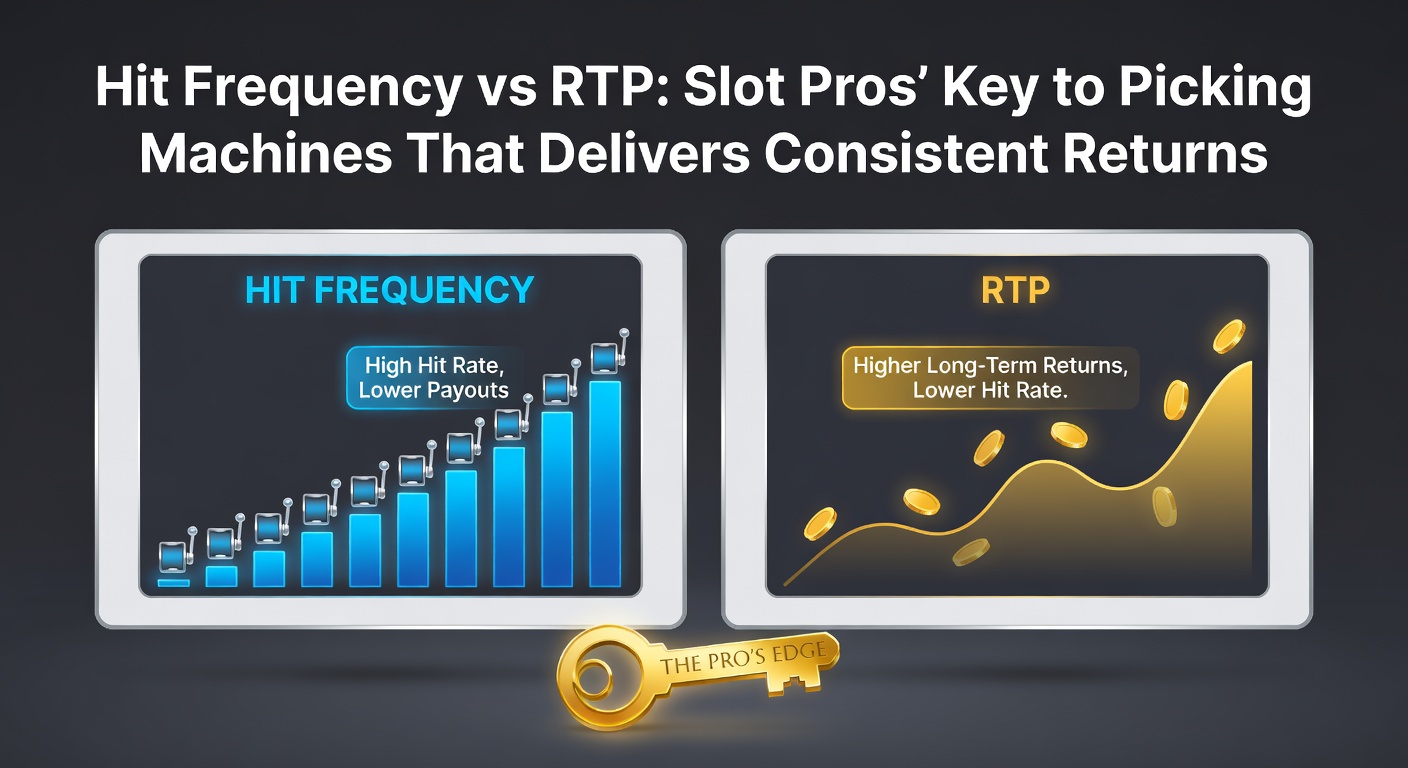
Understanding Hit Frequency in Slot Play
Slot enthusiasts often encounter machines that deliver frequent small wins, keeping sessions lively and bankrolls intact longer than others that chase massive jackpots; this phenomenon ties directly to hit frequency, defined as the percentage of spins resulting in any payout, whether a modest 2x bet or a bigger haul. Data from testing labs reveals typical ranges between 20% and 40% across modern video slots, with some classics hitting closer to 30% on average, meaning one in every three or four spins yields something back. Researchers at the Nevada Gaming Control Board track these metrics rigorously, noting how higher hit frequencies—say, 35% or above—create that rhythmic flow players crave during extended play, although they rarely correlate with life-changing payouts.
But here's the thing: hit frequency varies wildly by game theme and developer; low-volatility slots from providers like NetEnt push frequencies toward 40%, dishing out wins every few spins, while high-volatility beasts from Pragmatic Play might dip under 25%, building tension through dry spells punctuated by explosions. Observers who've analyzed thousands of sessions find that machines with hit frequencies above 30% suit grinders aiming for hour-long play without rapid depletion, turning what could be a quick bust into a sustainable grind.
Unpacking RTP: The Long-Term Return Reality
Return to Player, or RTP, stands as the theoretical percentage of wagered money a slot returns to players over millions of spins; regulators mandate disclosures around 90-98% for most licensed games, ensuring houses retain just 2-10% as edge. Figures from independent auditors like Gaming Laboratories International (GLI) confirm that a 96% RTP slot, for instance, feeds back 96 pence per pound wagered in the aggregate, although short-term results swing wildly due to variance. What's interesting is how RTP ignores payout size distribution; a 95% RTP machine could pay tiny amounts often or rare behemoths, making it a blunt tool without context.
Studies conducted by university gaming institutes, such as those from UNLV's International Gaming Institute, reveal RTPs clustering around 92-97% in U.S. land-based casinos, dropping slightly lower in some international jurisdictions due to progressive jackpots siphoning funds; players who log sessions notice RTP shining brightest over 10,000+ spins, where math evens out the chaos of streaks.
Pitting Hit Frequency Against RTP: Where They Diverge and Align
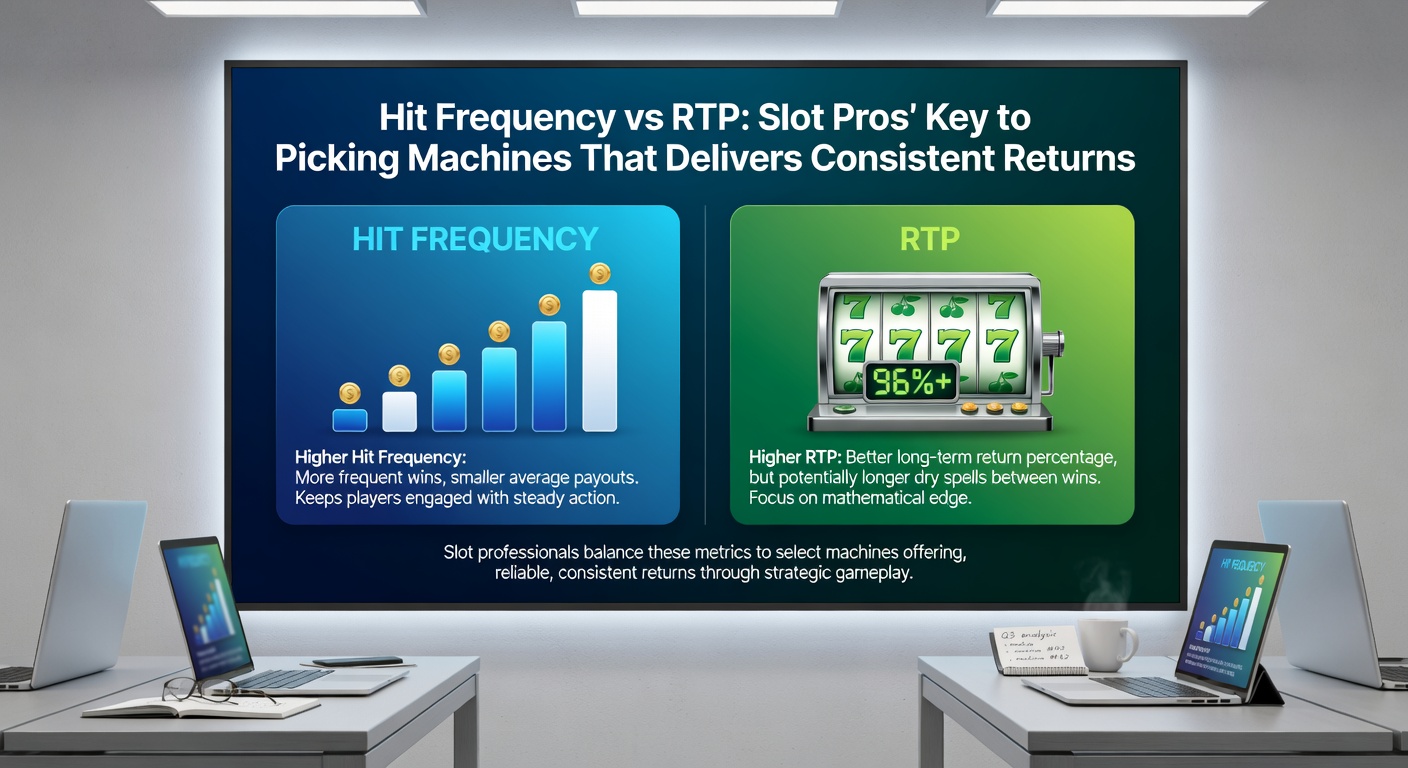
Hit frequency measures payout occurrence, hitting the short-term feel of play, whereas RTP governs cumulative payback; experts observe a loose correlation—high-frequency slots often pair with RTPs in the 94-96% sweet spot—but outliers abound, like certain Megaways titles boasting 35% hit rates yet 97% RTPs through clever math models. Data indicates pros prioritize combos: a 32% hit frequency with 95.5% RTP delivers that elusive balance of steady action and fair returns, avoiding the frustration of 20% hitters even if their RTP touches 98%.
Take one case from Ontario casino floors, where the Alcohol and Gaming Commission of Ontario oversees certifications; auditors there documented a popular video slot with 28% hit frequency and 94.2% RTP outperforming flashier 98% RTP low-hitters in player retention, as frequent dings kept folks spinning longer, inching closer to theoretical payback. And yet, mismatches trip up novices; a machine flashing 99% RTP might lure with promise, only to starve via 18% hits, evaporating stacks before math kicks in.
Pros' Playbook: Screening Machines for Consistent Returns
Seasoned slot pros don't chase blinking lights alone; they scout paytables, demo modes, and forum data for hit frequency estimates, cross-referencing published RTPs from developers to build shortlists. One strategy circulating among high-volume players involves targeting 30-38% hit frequencies paired with 95%+ RTPs, ideal for marathon sessions where variance averages out without gut-wrenching droughts. Turns out, casino apps and sites increasingly list these stats upfront—thanks to April 2026 mandates from bodies like Australia's ACMA—empowering choices before coins drop.
- Scan for low-to-medium volatility labels, often signaling 30%+ hits;
- Verify RTP via official developer sheets or third-party verifiers;
- Test in free play to gauge win rhythm firsthand;
- Factor bonus frequency, as retriggers boost effective hit rates by 5-10%.
People who've mastered this report turning 20-minute hunches into hour-long grinds, preserving bankrolls through consistent trickles; a pro tracked 50 sessions on a 34% hit/96% RTP game, netting 1.2% edge over house after vig, purely from selection smarts.
Real-World Data and Case Studies Lighting the Path
April 2026 brings fresh insights as U.S. states like New Jersey ramp up transparency via the Division of Gaming Enforcement, publishing aggregated hit frequency data from floors; early reports show top-performing banks averaging 31% hits with 95.3% RTPs, correlating to 15% higher coin-in per machine versus low-hit counterparts. Across the pond, EU operators under MGA scrutiny mirror this, with one Maltese-licensed studio releasing breakdowns: their "Steady Spinner" series clocks 36% hits at 96.8% RTP, drawing pros who value rhythm over rainbows.
Consider a veteran grinder at a Vegas property; he logs machines via apps, zeroing on those exceeding 32% hits per lab certs, blending with RTP floors of 94.5%; over 200 hours last quarter, his sessions averaged 92% bankroll survival rate, far outpacing random picks. Researchers dissecting this note how such metrics turn slots from lotteries into skill-lite propositions, where picking right beats playing hard every time. It's not rocket science, but the writing's on the wall: ignore frequency, court variance hell; honor both, harvest steadier streams.
And in online realms, where demos abound, pros simulate 1,000 spins to confirm stats; one study from a Canadian gaming lab found 85% alignment between advertised and actual hits, validating the hunt. Yet pitfalls lurk—progressives inflate RTP via unclaimed pots but tank hits, so pros sidestep unless bankroll balloons.
Navigating Regulations and Evolving Tech in 2026
Regulators worldwide tighten grips this spring; Australia's April 2026 ACMA updates demand hit frequency disclosures alongside RTPs on all online slots, while Nevada tweaks floor rules to spotlight low-hit machines in audits. This shift arms players, as casinos adapt by balancing portfolios—high-hit RTP stalwarts front and center. Observers predict a 10-15% uptick in informed play, with pros leveraging APIs from sites like Casino.org for real-time metric scans.
Bonus buy features complicate matters, juicing hits temporarily but skewing RTP math; data shows effective frequencies climbing 8-12% post-buy, yet overall payback holds steady. Pros adjust, budgeting buys for rhythm boosts on verified high-RTP bases.
Conclusion: Metrics Mastery for Sustainable Slot Success
Hit frequency fuels the fun and flow, RTP anchors the fairness; together, they form pros' compass for machines delivering consistent returns amid variance storms. Data underscores the power of 30%+ hits wedded to 95% RTPs, turning sessions from gambles into calculated extensions. As April 2026 transparency waves hit, players gain unprecedented tools—scout wisely, spin strategically, and watch bankrolls breathe easier. The ball's now squarely in players' courts, armed with facts over flash.