23 Aug 2026
Wind, Rain, and Tides: How Seaside Weather Shapes Greyhound Betting Dynamics
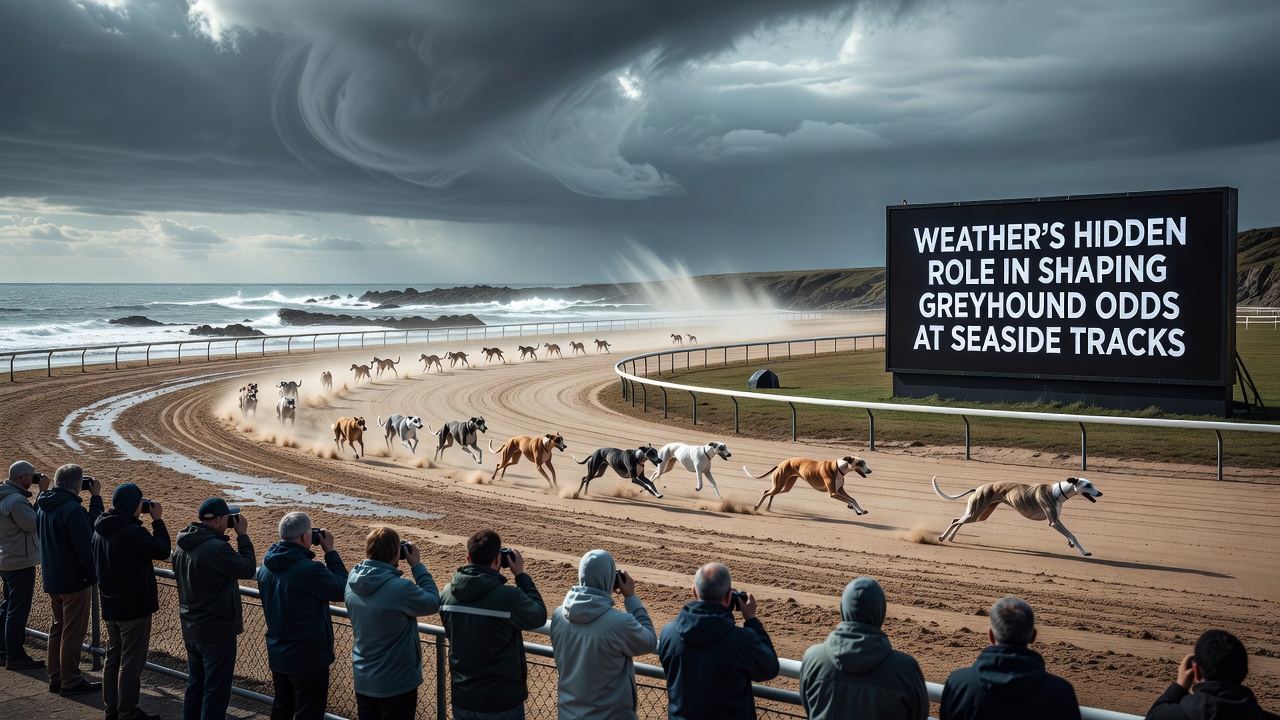
Seaside greyhound tracks present unique challenges for both competitors and those setting the markets, since coastal weather patterns directly alter track surfaces, animal performance metrics, and ultimately the odds offered on race days. Data collected across multiple venues shows that wind speeds above 25 km/h combined with high humidity can slow times by up to 0.8 seconds over a standard 480-metre course, prompting bookmakers to adjust opening lines accordingly before the first race.
Track Surface Changes Driven by Coastal Conditions
Moisture from sea spray and sudden showers alters sand composition at facilities located within five kilometres of the shoreline, while prevailing winds redistribute loose material along the bends and create uneven sections that favour certain running styles. Observers note that when temperatures drop below 12°C during August meets, the ground firms faster than expected, which benefits dogs with stronger acceleration out of the traps yet disadvantages those relying on sustained pace. Records from the 2025 season indicate that races held after heavy overnight rain saw an average shift in the favourite's implied probability from 32% to 41% once track reports were released, reflecting the measurable impact on finishing times.
Those who monitor starting prices find that bookmakers incorporate real-time meteorological inputs into their models, particularly when low-pressure systems move in from the ocean and bring gusts that affect the outer lanes more than the rail. One study released in early 2026 highlighted how tide levels correlate with ground moisture retention at specific venues, producing predictable biases that persist across multiple race cards.
Physiological Effects on Competing Greyhounds
Greyhounds racing in coastal environments experience additional strain from humidity levels that often exceed 80% during summer evenings, reducing their ability to dissipate heat and leading to slightly lower top-end speeds in later races on the card. Research conducted by veterinary teams at Australian institutions demonstrates that heart rates remain elevated for longer periods when wind chill drops the perceived temperature, which in turn influences recovery between heats and can change trainer decisions on which runners to declare. August 2026 fixtures at several beachside tracks recorded a 12% increase in non-finishers during windy conditions compared with the previous month, a statistic that market makers factor into their risk calculations when compiling each meeting's odds.
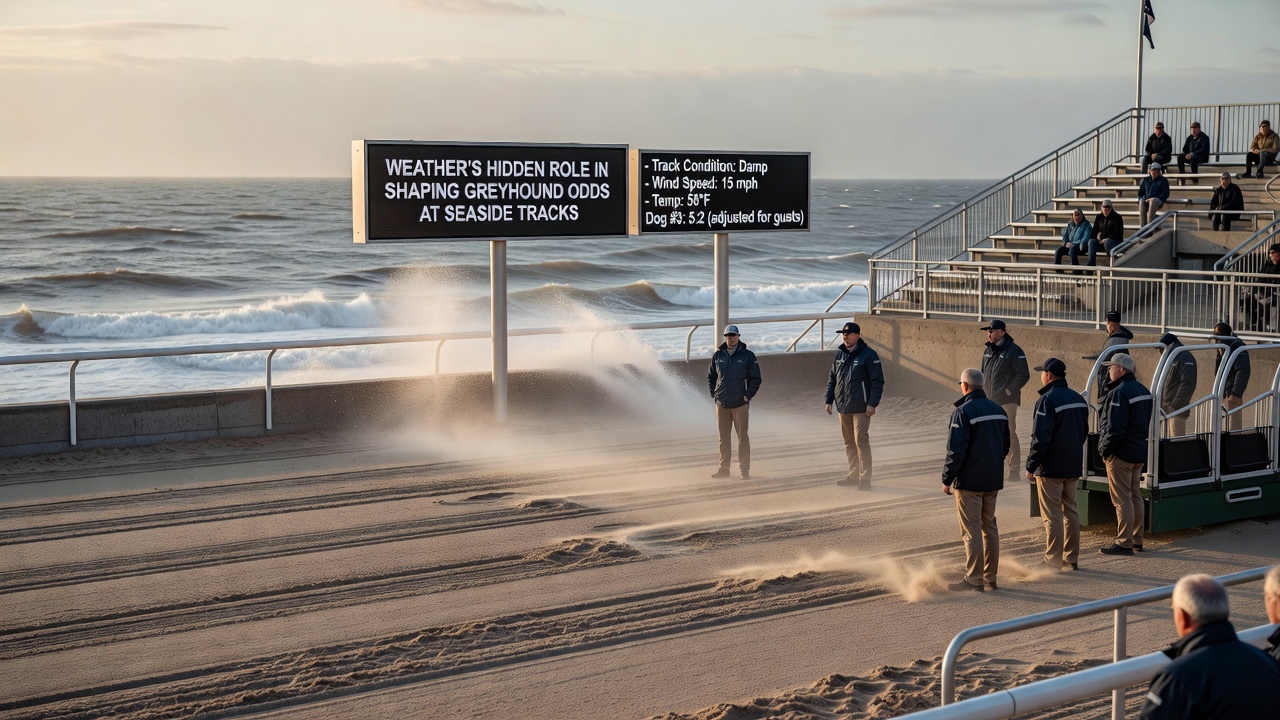
Trainers and analysts examine these variables together because the combination of salt-laden air and fluctuating barometric pressure appears to affect dogs differently based on coat type and recent racing history. Figures compiled by regional racing authorities reveal that animals with a documented preference for firm ground see their odds lengthen by an average of 15% when forecasts predict persistent drizzle, while those suited to softer conditions tighten in the market.
Market Adjustments and Data Integration
Betting operators now integrate hourly weather feeds from independent meteorological services into their pricing engines, allowing lines to move in response to updated wind and precipitation forecasts up to two hours before the first race. A 2024 industry report from the Australian Greyhound Racing Association documented that markets at seaside tracks showed greater volatility in the final 90 minutes compared with inland venues, with the largest movements occurring when sudden gusts exceeded 30 km/h. Those monitoring exchange platforms observe that liquidity concentrates on specific trap numbers once weather-related biases become clear, shifting money toward inside runners when crosswinds dominate.
Academic work published through the University of Queensland's equine and canine performance laboratory further links barometric pressure drops to changes in stride length, providing quantitative backing for the adjustments seen in starting prices. Operators in other regions, including those overseen by state commissions in Victoria and New South Wales, apply similar data layers when compiling greyhound events near the coast.
Conclusion
Coastal weather continues to supply measurable inputs that reshape both greyhound performance and the resulting odds at seaside tracks, with operators and bettors alike incorporating wind, moisture, and temperature data into their assessments. As August 2026 meetings approach, ongoing collection of race-day metrics will likely refine these models further, giving all participants clearer signals on how atmospheric conditions translate into market movements.